Heart attacks, also known as myocardial infarctions, are life-threatening events that occur when blood flow to the heart muscle is blocked, leading to tissue damage. While heart attacks can strike anyone, at any time, it is a perplexing phenomenon that a significant number of cardiac events occur in the bathroom. According to Healthline, This article aims to explore the medical reasons behind this unusual occurrence, shedding light on the various factors that contribute to heart attacks in bathroom settings.
1. The Vicious Cycle of Stress:
The bathroom, often regarded as a private sanctuary, can harbor a unique combination of emotional and physiological triggers. Many individuals experience a surge of stress-related hormones when using the bathroom, especially during moments of privacy and relaxation. The bathroom can be a place where individuals unconsciously release tension accumulated throughout the day. Unfortunately, stress can play a significant role in triggering heart attacks, as it fuels an increase in blood pressure and heart rate, and the release of inflammatory substances that contribute to the formation of arterial plaque.
2. Exertion and Straining:
Certain bathroom activities, such as bowel movements, urination, or even preparing for a shower or bath, can inadvertently put strain on the body. These actions may lead to a sudden increase in blood pressure, which can be particularly dangerous for individuals with pre-existing cardiovascular conditions or plaque buildup in their coronary arteries. The strain exerted during these activities can cause the plaque to rupture, leading to the formation of a blood clot that can precipitate a heart attack.
3. Temperature and Blood Vessels:
The bathroom environment often undergoes significant temperature changes due to showers, baths, or utilization of hot water. These temperature fluctuations can trigger blood vessel dilation or constriction, depending on the body’s response to the external environment. Rapid dilation and constriction of blood vessels can increase the workload on the heart and potentially disrupt the balance of blood flow supply to the heart muscle. Such imbalances can precipitate a heart attack, especially in individuals with pre-existing coronary artery disease or compromised blood flow.
4. Sudden Changes in Body Position:
Transient hypotension, also known as postural or orthostatic hypotension, can occur when an individual experiences a sudden drop in blood pressure upon standing up from a sitting or lying position. In the bathroom, sudden changes in body position may be more prevalent, such as sitting on the toilet or rising from a seated position on the floor. These movements can induce a temporary reduction in blood supply to vital organs, including the heart, which in turn can trigger the onset of a heart attack.
5. Combining Risk Factors:
Several other contributing risk factors may converge in the bathroom, making it a potentially hazardous environment for those predisposed to heart-related issues. The presence of warm water, which can relax blood vessels, combined with steam and humidity, can exacerbate breathing difficulties for individuals with respiratory conditions or cardiovascular diseases. Factors such as poor lighting, slippery surfaces, and limited space may also contribute to accidents and falls, potentially putting additional stress on the cardiovascular system or causing a significant impact that triggers a heart attack.
6. Lifestyle and Individual Vulnerabilities:
Individual lifestyle choices play a significant role in heart health, and individuals who adopt unhealthy habits, such as smoking, excessive alcohol consumption, or a poor diet, may experience an increased risk of heart attacks, regardless of their location. Furthermore, individuals with pre-existing medical conditions, such as obesity, diabetes, high blood pressure, or a history of heart disease, are inherently more susceptible to heart attacks. The bathroom, as an everyday setting, is no exception to these vulnerabilities and risks.
Understanding the medical reasons behind the occurrence of heart attacks in the bathroom provides valuable insight into the complex interplay between physiological and environmental factors that contribute to this phenomenon. The combination of heightened stress levels, physical exertion, temperature fluctuations, sudden body position changes, and individual vulnerabilities creates a perfect storm that can trigger a heart attack. Recognizing the risks associated with bathroom activities is vital to adopting preventive measures and promoting heart health.
The phenomenon of hearing voices inside the head, which others cannot, can be categorized as a common form of auditory hallucination. Hallucination is the perception or sensation of voices that can be heard by a person when they are awake and gives the feeling of being real.
These are nothing but illusions created by the brain. People with auditory hallucinations tend to hear sounds they are familiar with and sometimes also hear unusual noises. The sound or voice a person hears may be frightening or pleasant.
Types of voices heard The types of voices heard can vary depending on the severity of the psychiatric condition in a person. They may include:
Voice of someone calling their name when no one is around them.
Hearing mild voices when falling asleep.
Constant occurrence of hearing voices inside the head.
The feel of hearing voices outside, but soon recognize it as that heard from inside the ears.
Thoughts of hearing other persons’ thoughts or feelings as if other people might hear your thoughts.
Scary voices that command you to attempt dangerous things or to control your behavior.
Friendly voices that direct you to do inappropriate things.
Hearing voices that are supportive and helpful.
Hearing two or more voices arguing or fighting inside the head.
It is important to recognize that not all voices are negative or as a result of mental disorder. Hearing voices is much more common than many people realize, and sometimes they have positive effects. Whilst negative voices that are affecting a person’s well-being can require treatment, this is not always the case for positive voices and some people can live with them.
Causes of voices Many significant factors can cause hearing voices. The major factors that contribute to this condition are stress, anxiety, depression, and traumatic experiences. In some cases, there might be environmental and genetic factors that cause such hearing of voices.
The brain of the patient generates the voices and sounds, and they tend to hear both sounds simultaneously. The condition becomes severe when the patient fails to understand that they are hearing their voice.
In recent studies, researchers have analyzed the occurrence of auditory hallucinations in the human brain. The basic form of hearing is processed in the temporal lobe of the brain. This part of the brain is found inside the ears. The research concluded that a particular region of the left temporal lobe is more active in auditory hallucination compared to non-hallucinating people.
Major causes Several possible causes may cause people to hear voices, including:
Traumatic incidents – Hearing voices might be the result of a traumatic incident that occurred in the early life of the patient while hearing one or more voices might be a result of his experiencing a disassociate disorder.
Assault or Abuse – When a person is abused or assaulted, the voice or images of the abuser come in flashes.
Sleeplessness – Lack of sleep might also cause hearing voices, though this is not experienced in daily life. Result of Drugs – People may hear voices as a side effect of some medication or drugs. For some people, these voices can be heard when they are being relieved from certain medical courses.
Death of a loved one – This can occur when a person loses someone very close to their heart. Unable to tolerate their loss, they hallucinate about the dead person calling or speaking to them.
Voices in sleep – These voices can occur before or after sleep, as the mind is dreaming. These voices vanish when fully awake.
Auditory hallucination is a condition that presents as a symptom for people suffering from schizophrenia.
Schizophrenia Schizophrenia is a severe chronic mental disorder and can affect a person’s feelings, thoughts, and behaviors. Schizophrenia sufferers are reported to lose touch with their real lives. Although it is not as common as other mental disorders, the symptoms can be very debilitating for those who are affected.
People with schizophrenia tend to feel things that are not present and hear voices that do not exist. The affected person often believes that his thoughts can be read and controlled by others. This kind of strange occurrence can make patients feel upset, or make the real world seem scary to them. The behavior of people with schizophrenia might be threatening or cause harm to the people around them in some cases.
Affected individuals usually think and communicate strange thoughts and ideas making it difficult for other people to continue a conversation. They can sit idly for hours without making any movements.
In schizophrenia, the voices the people hear may be internal or external. Internal voices are those that a person hears inside his mind, while external voices project as if another person is before them and is talking to them. Sometimes the sufferers talk back to the voices to stop it from recurring. However, this often makes the voices stronger and increases the frequency of occurrence of hearing voices.
There is a theory that auditory hallucinations in schizophrenia are a result of the dopamine hypothesis, changes to the levels of the dopamine and serotonin neurotransmitters which some argue is the biological basis of schizophrenia.
People with schizophrenia often find it difficult to go to work or care for themselves and depend on others for their daily living needs.
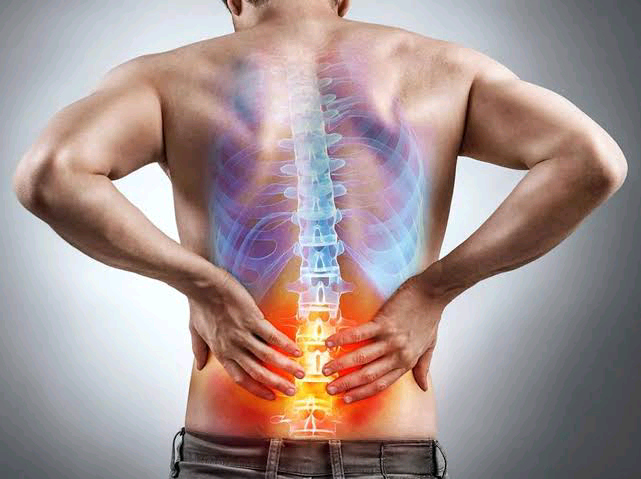
Lower Back Pain Symptoms: Weakness Muscle Stiffness Pain in the lower Back Pain may extend upwards or downwards into the leg Numbness Tingling Osteoarthritis Lower Back Pain Pain can radiate to the hips or the Neck
Description: Lower Backache is a pain in the Lower Back.
The back may pain anywhere, but generally Backache is referred to pain in the lower back.
Lets divide the main causes into two.
One. Pain due to a muscle spasm or a Cartilage problem. Here, herbs and remedies will definitely help and should be used. The page is devoted to such cures.
Two. Pain due to deformity in the bony structure. There may be an over growth. There may be a slip disc. The bone may have worn off. The patient must visit an Orthopedic surgeon. Herbs can only supplement the treatment.
Anything can cause a backache. Anything! It could be anything from an emotional showdown to an actual injury. It is impossible to list all the causes. Some of the more common ones are given below.
Causes of Lower Backache: •Trauma •Tumors •Anxiety •Obesity •Old Age •Smoking •Arthritis •Injuries •High Heels •Depression •Pregnancy •Infections •Osteoporosis •Menstruation •Medications •Poor Posture •Muscle Strain •Muscle Spasms •Sedentary Jobs •Emotional Stress •Lack of Exercise •Strain in Muscles •Premenstrual Syndrome •Poor Blood Circulation •Deficiency of Nutrients •Nutritional Deficiencies •Sleeping in a bad posture •Impaired Liver Functions •Kidney Functions Impaired •Structure of the Lower Back •Untended Psychological Issues •Problems with the Spinal Cord •Sexual Excess or Hypersexuality •Physical stress to the lower back •Accelerated degeneration of the spine •An injury to the Spinal Cord or the Pain related with Cold or damp weather
Chronic Low Back Ache. Chronic sub acute low back pain may persist for a long time. If no apparent cause can be ascribed to it, look for raised levels of High Sensitivity C-reactive protein (hsCRP). A simple blood test is required. More than 3 mg/L may be indicative of inflammation. Inflammation suggests an impairment of the Lymph system. Lymphatic derangement may be a consequence of low immunity. Treatment should therefore target both, Lymphatic inflammation and the immune system.
If not treated properly, Lower Backache may cause: Arthritis
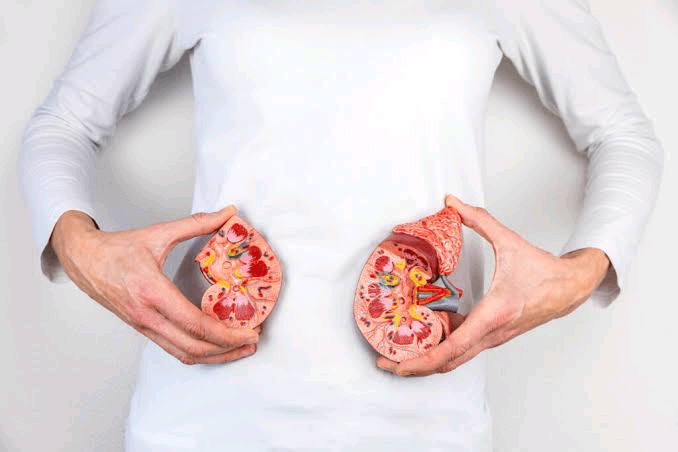
Living with a single kidney can be a unique and challenging experience. Whether you were born with one kidney or have undergone a kidney donation surgery, it is crucial to take certain precautions to maintain your overall health. This article aims to provide practical advice for individuals with one kidney to help them lead healthy and fulfilling lives.
1. Follow a Balanced and Healthy Diet: A well-balanced diet is essential for anyone, but it becomes even more crucial for individuals with one kidney. Focus on consuming a variety of nutrient-rich foods, including fresh fruits, vegetables, lean proteins, whole grains, and low-fat dairy products. Limit your intake of processed foods, refined sugars, and unhealthy fats. Staying hydrated by drinking plenty of water is also vital to maintain kidney function.
2. Monitor Blood Pressure Regularly: Maintaining a healthy blood pressure level is crucial when you have only one kidney. High blood pressure can put additional strain on the kidney, potentially leading to further complications. Regularly monitor your blood pressure and consult your healthcare provider to ensure it remains within a healthy range. Adopting a low-sodium diet, engaging in regular exercise, and managing stress can all help control blood pressure levels.
3. Stay Active and Exercise: Participating in regular physical activity helps manage weight, improves overall cardiovascular health, and enhances overall well-being. Consult with your doctor to determine suitable exercises that align with your specific health condition. Activities such as walking, swimming, cycling, or yoga can contribute to your overall fitness. Remember to start slowly and gradually increase your activity levels.
4. Be Mindful of Medications: Inform all healthcare providers that you have only one kidney to ensure they prescribe medications accordingly. Some medications require dosage adjustments for individuals with kidney impairment. Always consult a healthcare professional before taking any over-the-counter medications to avoid any potential harm to your kidney.
5. Avoid Nephrotoxic Substances: Certain substances can potentially harm your kidney, especially when you have only one. It is important to avoid or limit the use of nephrotoxic substances such as nonsteroidal anti-inflammatory drugs (NSAIDs), certain antibiotics, and excessive amounts of alcohol. Consult your doctor before taking any new medications or supplements.
6. Regular Kidney Function Monitoring: Regular monitoring of kidney function is crucial to detect any potential issues early on. Your doctor may recommend specific blood tests such as serum creatinine and glomerular filtration rate (GFR) to assess your kidney function. Following these recommendations will enable your healthcare provider to identify and manage any problems effectively.
7. Maintain a Healthy Weight: Excess weight can put unnecessary strain on your kidney. Adopting a healthy lifestyle that includes a balanced diet and regular exercise will help manage your weight effectively. Consult with a registered dietitian or healthcare provider for personalized guidance on reaching and maintaining a healthy weight.
Conclusion: Living with one kidney requires extra attention and care to maintain optimal health. By following a balanced diet, monitoring blood pressure, engaging in regular physical activity, staying mindful of medications and nephrotoxic substances, monitoring kidney function, and maintaining a healthy weight, individuals with one kidney can minimize the risk of developing complications and lead fulfilling lives. However, it is essential to consult with your healthcare provider for personalized advice based on your specific needs.
Bitter Kola, scientifically known as Garcinia kola, is a tropical plant found mostly in the West African rainforests. It has been cherished by indigenous cultures for centuries for its significant healing properties. While it is commonly used as a chewing stimulant or added to local cuisines for its bitter taste, bitter kola also holds numerous medicinal benefits that humans can harness by including it in their daily routine. In this article which is by Healthline, we will explore the wide range of diseases that can be treated by regularly chewing bitter kola.
Respiratory Health
Bitter kola possesses unique natural compounds that exhibit anti-inflammatory and antimicrobial properties, making it a potent remedy for respiratory ailments. Chewing bitter kola helps to alleviate symptoms caused by conditions such as asthma, bronchitis, and chronic cough. It acts as an expectorant, assisting in the expulsion of mucus and relieving congestion. The natural compounds found in bitter kola also combat microbial infections in the throat, helping to prevent respiratory tract infections.
Digestive Health
Bitter kola has long been recognized for its positive effects on digestive health. Chewing bitter kola stimulates the production and release of gastric acid, aiding in proper digestion and preventing digestive disorders such as indigestion, constipation, bloating, and flatulence. The bitter kola nut also increases the secretion of bile, which aids in the breakdown of fats and enhances the absorption of nutrients.
Immune System Boost
Regular consumption of bitter kola bolsters the immune system, helping to fight against infections and diseases. The high concentration of antioxidants, such as vitamin C and vitamin E, found in bitter kola strengthens the body’s defense mechanisms. These antioxidants combat harmful free radicals, reducing oxidative stress and protecting the body’s cells from damage. Additionally, bitter kola contains antimicrobial properties that help to neutralize bacteria and parasites, further supporting the immune system.
Anti-inflammatory Effects
Inflammation is the body’s natural response to injury or infection, but chronic inflammation can contribute to the development of various diseases. Bitter kola contains potent anti-inflammatory properties, thanks to its bioactive compounds. These compounds work by reducing the production of inflammatory substances, suppressing inflammation, and alleviating associated symptoms. Conditions such as arthritis, skin inflammation, and allergic reactions can greatly benefit from the regular chewing of bitter kola.
Cardiovascular Health
Maintaining a healthy cardiovascular system is crucial for overall well-being. The bioactive compounds present in bitter kola contribute to heart health in multiple ways. It aids in the reduction of cholesterol levels, preventing the accumulation of plaque in arteries and reducing the risk of heart disease and stroke. Additionally, the antioxidants found in bitter kola protect the heart cells from oxidative damage, reducing the potential development of heart-related diseases.
Sèxual Health
Bitter kola has been traditionally used for centuries as an aphrodisiac and for enhancing sèxual performance. It contains phytochemicals that promote increased blood flow to the genital area, aiding in erectile dysfunction and reducing sèxual weakness. Regular chewing of bitter kola also contributes to enhanced libido and overall séxual satisfaction.
Bitter kola, with its array of health benefits, is a remarkable natural remedy that humans can incorporate into their daily routines. From respiratory health to cardiovascular well-being, the versatile properties of bitter kola offer a holistic approach to disease prevention and treatment. Regularly chewing this incredible plant can alleviate symptoms and enhance overall health due to its anti-inflammatory, antimicrobial, immune-strengthening, and digestive properties. However, it is important to remember that bitter kola should be consumed in moderation and as part of a balanced diet. Furthermore, consulting a healthcare professional before embarking on any natural remedy is advisable, especially if you have existing medical conditions or are taking prescribed medication. Embracing the healing power of bitter kola can provide a natural and effective way to treat and prevent various ailments, leading to a healthier and more vibrant life.
The bodily symptoms of kidney disease are many, however now and then there are results of different conditions, of renal diseases. Besides, kidney ailments in human beings have the possibility of not seeing early signs.
Those who have suffered or have someone who has experienced kidney disease before will understand that kidney disease is also a silent killer.
Not many human beings can know what the symptoms of kidney disease are which makes them ignorant and unable to cure it at an early stage. There are even no signs till the situation in most cases is critical. This makes understanding and knowing the signs a big problem.
Here are the 8 symptoms of kidney disease you should be conscious of:
1. Changing Of Your Urinary Function:
The first symptom of kidney sickness is an increase in the quantity and frequency of urination. If you urinate more often or less often you might be experiencing kidney disease. Sometimes you could even notice a dark color in your urine. When you notice some changes in your urinary function, you should probably see your doctor for diagnosis.
2. Difficulty Or Pain While Urinating
You may also have difficulty, ache, or pain while emptying your bladder. This may also imply that you have urinary tract contamination. however, you have to treat it early as it may unfold for your kidneys.
3. Blood In The Urine:
These are some of the undisputed symptoms of kidney disease, Blood in the urine is a clean indicator of kidney ailment because the blood within the urine also can be related to bladder cancers.
4. Foamy Urine:
I realize that lots of these signs are associated with bladder issues, however, the bladder and kidney are connected. The bladder is first affected while the kidneys are next.
5. Swelling Or Oedema:
All waste and drinks in your body are absorbed into your kidneys. When they’re not capable of doing it anymore, waste and additional fluids build up in your body. In this case, the individual body becomes swelled up.
6. Extreme Fatigue:
It generates an erythropoietin hormone with red blood cells while your kidneys are good but Once the kidneys fail, the hormone degree decreases considerably, resulting in fatigue and exhaustion in the body.
7. Dizziness And Inability To Concentrate
There is a loss of oxygen in the brain when your kidney has issues, which makes you lose focus. This happens because the brain needs oxygen.
8. Shortness Of Breath
If the kidney sickness is intense, it can cause respiratory problems in the lungs. It is easy to understand that when you have any of these signs you might not suffer from kidney disease, the symptoms can be at times another ailment or disorder, so it’s necessary to test or see your physician in case you stumble upon them.
What’s your take on this, do well to contribute your quota in the comment box below…
Teaching your children important life lessons is an essential aspect of parenting, and neglecting these lessons can lead to regrets later in life. Here are five key things you should impart to your children:
1. Financial Literacy.
Failing to teach your children about money management can lead to financial struggles in adulthood. Teach them about budgeting, saving, and investing, instilling good financial habits early on.
2. Empathy and Kindness.
Ignoring the importance of empathy and kindness can result in children growing into adults who lack compassion and the ability to build meaningful relationships. Encourage them to understand and care about the feelings of others.
3. Critical Thinking.
Neglecting to foster critical thinking skills can hinder your child’s ability to make informed decisions and solve complex problems. Encourage them to question, analyze, and think independently.
4. Resilience.
Shielding your children from failure and adversity can prevent them from developing resilience. Teach them to embrace challenges, learn from setbacks, and persevere in the face of difficulties.
5. Self-Confidence.
A lack of self-confidence can hold your children back from reaching their full potential. Support their self-esteem and encourage them to believe in their abilities, fostering a sense of self-worth.
Insomnia Symptoms: Weakness Irritability Lack of energy Daytime sleepiness Unable to sleep Difficulty in concentration Difficulty falling asleep when awakened Feeling tired on waking up Waking up too early in the morning Going to sleep too late at night Waking up often during the night and having trouble going back to sleep
Description: Insomnia is a disease of the Brain. It is a chronic inability to sleep.
A normal person should sleep approximately seven hours a day.
If you are unable to sleep for one night call it Sleeplessness.
When you are unable to sleep night after night for a prolonged period, call it Insomnia.
Insomnia may be Primary insomnia or Secondary.
Primary insomnia is a disease by itself, not connected to any other disease.
Secondary insomnia is a problem caused by another disease. Diseases like asthma, depression, arthritis, cancer, heartburn, pain, may cause disruption in sleep patterns. Medication or alcohol may also cause sleeplessness. Treatment should focus on the cause.
Causes of Insomnia: Stress Alcohol Anxiety Drug Abuse Medication Heart Disease Poor eating habits Poor sleeping habits Psychological Problems Pain in Joints or Muscles
Things that induces Sleep: Set you biological sleeping pattern by going to bed and waking up daily at the same time.
Avoid Day time sleep for long hours.
Avoid Alcohol, Smoking and Caffeine.
If not treated properly, Insomnia may cause: Depression
Who hasn’t heard of an avocado? One of the greatest fruits with a full nutritional profile, making it healthy.
Additionally, it appears that the advantages of avocado for males are excellent for boosting fertility. Is that accurate?
A bit more subtly, avocados can also boost libido in males. A man’s genital organs require blood flow, which a healthy, fully functioning heart can provide.
Monounsaturated fats are a kind of fat that lowers levels of bad cholesterol and may lessen the risk of heart attack or stroke.
AVOCADO BENEFITS FOR MEN
Aside from their deliciousness, avocados are a superfood because they contain so many vital vitamins, minerals, and healthy fats needed by men
The fact that avocados may be used in a variety of dishes, including salads, sandwiches, smoothies, and more, is undoubtedly beneficial.
Additionally, avocados are now a staple in many vegan cuisines because of the recent rise in popularity of plant-based diets.
For many reasons, avocados are extremely beneficial for men’s health. These are the top 8 advantages of avocados for males!
Avocado Benefits for Men
TOP 8 AVOCADO BENEFITS FOR MEN THAT MAKE THEM A DIET MAINSTAY
Promotion of sexual health.
Reduced heart disease risk.
Improved absorption of nutrients.
Less desire.
Increase your fiber intake.
Less diabetes threat.
Reduced cancer risk.
Fruits are high in vitamins.
WHAT DOES AVOCADO DO TO A MAN BODY?
A little bit more subtly, avocado can also boost libido in males.
A man’s genital organs require blood flow, which a healthy, fully functioning heart can provide.
Monounsaturated fats are a particular kind of fat that reduces harmful cholesterol levels and can lessen the risk of heart attack
AVOCADO NUTRITIONAL FACTS & VALUES
Famously, fat is the nutrient that makes up the majority of an avocado. In actuality, a single avocado has roughly 34 grams of fat.
However, the majority of the fat in avocados is a combination of monounsaturated and polyunsaturated fats, both of which have significant health advantages.
Do avocados contain any protein? Yes, but just a little bit. And if you’re curious, each serving of avocado has less than 1g of protein.
But don’t let that stop you from including this dish as a staple in your balanced diet.
From a single 1.75 ounce (50 gram) serving of avocado, you receive the following benefits:
80 calories
5g saturated fat
1g polyunsaturated fat
5g monounsaturated fat
0g carbohydrates
7g protein
2g dietary fibre
11mcg vitamin K
4mg vitamin C
1mg vitamin E
75mcg folate
250mg potassium
10mg calcium
30mg phosphorous
15mg magnesium
3mg zinc
CAN EATING AVOCADOS HELP YOU LOSE WEIGHT?
Avocados provide 160 calories per serving and help to meet the daily required amount of fiber. As a result of the fat content, it is also energy-dense.
If you replace some junk food with avocado, it can help you feel satiated for longer and aid in weight reduction.
While junk food often contains saturated (or “bad”) fats, avocado fat is primarily of the monosaturated form, which has several health advantages.
All of this together suggests that eating avocados every day may help you lose weight.
Nevertheless, calories are calories, and if you consume more than you expend, you won’t lose weight. Instead, you may gain a few pounds.
Exercise is important as always, and moderation is the key.
CAN MEN EAT AVOCADO EVERY DAY?
So long as you aren’t allergic to it, eating avocado every day is the ideal supplement to a healthy, nutrient-rich diet.
HOW MANY AVOCADOS A DAY IS RECOMMENDED FOR MEN?
Typically, eating between a half and a whole avocado each day is appropriate.
This is because avocados are a good source of monounsaturated fat, they help you feel fuller for longer and make it more difficult to overeat.
DOES AVOCADO HELP GUYS BECOME FERTILE?
As a result, avocados are the fruit with the highest concentration of zinc,
vitamin E, and folate.
Avocado is one of, if not the most well-rounded fruit that can help boost sperm count and motility, because of the significance of these nutrients in sperm health.
WHAT ARE AVOCADOS’ TOP FIVE HEALTH ADVANTAGES?
5 surprising avocado health benefits
Heart wellness. Beta-sitosterol, a plant compound found in avocados, aids in maintaining normal cholesterol levels.
Clear eyes
Blood pressure, growth and development, weight loss, and blood pressure these avocado recipes
DO AVOCADOS HELP YOU GAIN STRENGTH?
Avoca-do goes for work out. Avocados are the ideal fruit for gaining muscle mass since they are high in potassium and packed with vitamins and minerals.
They are also incredibly high in dietary fiber, which has been shown to aid with fat loss. The promise of one avocado a day is that fat will be avoided!
WHAT BENEFITS DO EATING AVOCADOS HAVE?
Rich in healthy fats and other nutrients, avocados are said to decrease cholesterol, prevent certain illnesses, elevate mood, increase energy, help with digestion, and do a variety of other things.
Even the possibility has been raised that eating avocados may help prevent certain malignancies.
WHAT MAKES AVOCADO BAD FOR YOU?
Avoid eating this fruit if you have an allergy to avocados or a certain genetic mutation that results in high levels of HDL-C cholesterol.
WHAT FRUIT GIVES YOU MORE STRENGTH?
Having one post-workout is beneficial due to the same antioxidant benefits.
Apples are rich in polyphenols, which have been shown to improve muscle mass and fat burning.
Pick up a few cherries after your workout to lessen inflammation and speed up recuperation.
CAN AVOCADO HELP WITH WEAKNESS?
In terms of health benefits and nutrients, avocados are a fruit that offers a variety.
They include minerals, protein, and fiber, according to research published in critical reviews in food science and nutrition, which may assist in maintaining energy levels throughout the day.
WHAT OCCURS IF YOU BEGIN CONSUMING AVOCADOS EVERY DAY?
Studies have shown that the heart may be protected by avocados like how the heart is protected by olive oil and almonds in the heart-healthy Mediterranean diet.
People who ate an average of 1 to 3.7 avocados per day showed a rise in HDL (protective cholesterol), according to a 2018 study of 10 research.
IS AVOCADO GOOD FOR THE GYM?
Because they are packed with nutrients and healthy fats, avocados make a great post-workout snack.
You may combine it with additional types of carbohydrates and proteins to create the ideal post-workout snack.
THE TOP TEN HEALTH BENEFITS OF AVOCADO
Avocado health benefits
Anti-inflammatory qualities
Aids in weight loss.
Maintain good heart health.
Controls blood pressure.
Excellent for eyesight.
Prevents cancer, number six.
Improves digestion.
Essential for a healthy pregnancy is the number
AVOCADO BENEFITS SEXUALLY
Avocados include vitamin b6, which, according to some research, might lessen premenstrual syndrome symptoms including tiredness, bloating, and irritability.
Because of this, it could be simpler for women to “get in the mood.” indirectly, avocados can also somewhat boost libido in males.
IS AVOCADO A SEXUAL STIMULANT? IS AVOCADO AN APHRODISIAC?
Let’s return to the history
Research claims that the ancient Aztecs, who used avocados, utilized the fruit as a sexual stimulant and compared its form to a testicle.
According to the California case study’s findings, 63% of the professional psychologists, nutritionists, and scientists polled thought avocados were aphrodisiacs, and 60% of respondents indicated they had experienced increased sex life as a result of eating this delectable fruit.
THE POWER OF AVOCADO IN SEXUAL HEALTH!
Let’s start with all the fascinating information.
Unsaturated fats and fatty acids in avocado combine with potent minerals, vitamins, and mineral components to delay sex or other intimate relations and delay premature ejaculation.
You may grow and enhance the quality of your libido and vigor as well as maintain the health of your brain and heart by consuming these high-quality nutrients, which are advantageous for your general health. Another great advantage of eating avocados is that it enhances the quality of libido in both sexes.
Avocados are the finest food to eat to increase sexual activity and maintain good health since they are;
THE MOST EFFECTIVE APHRODISIAC EFFECTS
Lengthening the duration of the relationship
Preventing or effectively stopping premature ejaculation
Enhancing male virility and offering advantages including a strong capacity for sexual reaction
Promoting the maintenance of improved sexual health
PAY ATTENTION TO THESE 4 UNKNOWN BENEFITS OF AVOCADOS FOR SEXUAL HEALTH.
Fact 1: Avocados are incredibly high in vitamin E, which may improve the quality of sperm in men who are struggling with infertility.
Fact 2: Avocados are a fantastic meal for fertility. It is a fantastic source of vitamin E, and studies have indicated that it may help to mend the uterine lining.
Fact 3: According to a study, a mineral called boron and the magnesium in avocados may help to increase testosterone levels.
Fact 4: Avocados’ omega-6, omega-3, and omega-9 fatty acids assist you in producing breast milk that is nutrient-rich for your infant.
ARE AVOCADO SEEDS GOOD FOR MEN?
According to certain studies, avocado seed extract can help men produce and move their sperm more easily.
Studies have revealed that daily use of avocado seed extracts may lower cholesterol levels in addition to improving semen quality.
BENEFITS OF AVOCADO FOR SPERM
Avocados
Avocados are a good source of vitamin E which may help infertile men produce better-quality sperm. 21% of the dDV for vitamin eEis provided by one medium (150 gram) avocado (7, 8).
HOW MAY AVOCADOS BENEFIT SPERM?
As a result, avocados are the fruit with the highest concentration of zinc, vitamin E, and folate.
Avocado is one of, if not the most well-rounded fruit that can help boost sperm count and motility, due to the significance of these nutrients in sperm health.
AVOCADO BENEFITS FOR WOMEN
The top 5 health benefits of avocados for women
Reduce the incidence of breast and cervix cancer; promote weight reduction; improve reproductive health; hasten digestion; and improve skin, hair, and nails.
WHAT DOES AVOCADO DO TO A WOMAN’S BODY?
A 2021 Journal of Nutrition study also discovered that eating an avocado every day may help females lose visceral fat.
Avocados’ high levels of fiber and monounsaturated fat make them good for controlling weight.
AVOCADO BENEFITS FOR MEN ~ BENEFITS OF AVOCADOS FOR BODYBUILDING
Because it is one of the fruits with the highest protein content, avocado is frequently utilized in bodybuilding.
The avocado has a lot of healthy fats whereas the majority of fruits are high in carbs.
As a result, it fits nicely into the overall plan of a protein-rich diet for building and expanding muscles.
AVOCADO BENEFITS FOR MEN ~ DO AVOCADOS HELP YOU GAIN MUSCLE?
Avoca-do go work out.
Avocados are the ideal fruit for gaining muscle mass since they are high in potassium and packed with vitamins and minerals.
They are also incredibly high in dietary fiber, which has been shown to aid with fat loss.
THE BENEFITS OF AVOCADOS FOR MENTAL HEALTH
Avocados are high in heart-healthy fat and stress-relieving b vitamins, which may aid in reducing anxiety.
An essential component for sustaining healthy skin, eyesight, and reproduction is vitamin E. Additionally, it has been linked to cognition, aids in blood vessel expansion, and is necessary for red blood cell production.
AVOCADO BENEFITS FOR MEN ~ AVOCADO OFFER MENTAL HEALTH BENEFITS?
Avocados
Additionally, avocados contain tryptophan. An amino acid with significant effects on mood and mental health is tryptophan.
It promotes serotonin synthesis and aids in hormone balancing. As a result, tryptophan-rich meals enhance mood and mental stability in general.
AVOCADO BENEFITS AND SIDE EFFECTS
Because of its high lutein and zeaxanthin content, it could enhance vision.
Due to its high fiber content, it could help with digestion.
Lastly, with the presence of antioxidants, it may have anticancer benefits against prostate and breast cancer. It could increase the firmness and elasticity of the skin.
BENEFITS OF AVOCADOS FOR THE SKIN
6 avocado advantages for the skin
Hydrates and moisturizes. Drinking water is a good idea, right?
Inflammation is reduced, skin damage is prevented, skin elasticity is improved, nutrients for soothing and healing are provided, and overall skin health is enhanced.
ADDING AVOCADOS TO YOUR DIET ~ HOW TO INCLUDE AVOCADOS IN YOUR DIET
Avocados are simple to include in your diet! This fruit is excellent thanks to its adaptability
Guacamole may be made for snacking and served with your favorite vegetables or blended into a smoothie for a creamy boost.
Avocados may be used in salads as an ingredient to give them more taste and texture.
Tea infusion: To make a special herbal tea, grate an avocado pit and infuse it in boiling water.
Make soup and add avocado cubes to your preferred vegetable soup for a filling and tasty supper.
Replace high-fat items with healthy alternatives like mashed avocado in recipes instead of butter, margarine, or mayonnaise.
Guilt-free dessert: for a nutritious version of chocolate pudding, mash one avocado and combine it with cocoa powder, honey, and cinnamon.
BENEFITS OF AVOCADOS FOR THE SKIN
6 avocado advantages for the skin
Hydrates and moisturizes. Drinking water is a good idea, right?
Inflammation is reduced, skin damage is prevented, skin elasticity is improved, nutrients for soothing and healing are provided, and overall skin health is enhanced.
ADDING AVOCADOS TO YOUR DIET ~ HOW TO INCLUDE AVOCADOS IN YOUR DIET
Avocados are simple to include in your diet! This fruit is excellent thanks to its adaptability
Guacamole may be made for snacking and served with your favorite vegetables or blended into a smoothie for a creamy boost.
Avocados may be used in salads as an ingredient to give them more taste and texture.
Tea infusion: To make a special herbal tea, grate an avocado pit and infuse it in boiling water.
Make soup and add avocado cubes to your preferred vegetable soup for a filling and tasty supper.
Replace high-fat items with healthy alternatives like mashed avocado in recipes instead of butter, margarine, or mayonnaise.
Guilt-free dessert: for a nutritious version of chocolate pudding, mash one avocado and combine it with cocoa powder, honey, and cinnamon.
THE BOTTOM LINE ON AVOCADO BENEFITS FOR MEN
Avocados are tasty and healthy fruits that offer some health advantages. They are a great source of fiber, vitamins, minerals, healthy fats, and antioxidants.
Consuming one to two avocados daily may help lower cholesterol, improve heart health, and potentially cut the chance of developing type 2 diabetes and various cancers.
Please be aware that they are high in calories, so while incorporating avocados into your diet, be sure to keep track of other sources of calories.
Introduction: Good vision plays a crucial role in our daily lives, allowing us to navigate the world with ease. While genetics and age are significant factors in determining our eyesight, there are several natural methods to enhance and maintain it. By incorporating simple habits and making certain lifestyle adjustments, you can potentially improve your eyesight naturally without relying solely on corrective lenses or surgery. Here are some effective ways to promote better vision:
1. Eat a Nutrient-rich Diet: A balanced diet rich in vitamins, minerals, and antioxidants can greatly benefit your eyesight. Incorporate foods such as carrots, leafy greens, fish, citrus fruits, nuts, and seeds that contain beneficial nutrients like vitamins A, C, E, omega-3 fatty acids, and zinc. These nutrients can help protect your eyes from damage caused by free radicals and reduce the risk of common age-related eye conditions.
2. Give Your Eyes Regular Breaks: In today’s digital age, prolonged screen time can strain your eyes and lead to discomfort. Practice the 20-20-20 rule, which suggests looking away from your screen every 20 minutes and focusing on an object at least 20 feet away for 20 seconds. Additionally, take regular breaks to walk around and stretch to reduce eye fatigue.
3. Maintain Proper Lighting: Avoid excessive brightness or dim lighting conditions while reading or working. Choose appropriate lighting that minimizes glare and shadows, preventing unnecessary eye strain.
4. Exercise Regularly: Physical exercise isn’t only beneficial for your overall health but also your eyesight. Engage in activities like walking, swimming, or yoga, which can improve blood circulation to the eyes and help maintain optimal eye pressure. Additionally, exercises that focus on eye movement can help enhance eye flexibility and strengthen eye muscles.
5. Practice Eye Relaxation Techniques: Performing eye relaxation exercises can effectively reduce eye strain and help alleviate eye fatigue. Techniques such as palming (covering your closed eyes with your palms), blinking, and focusing on distant objects can promote relaxation and improve circulation to the eyes.
6. Adequate Sleep: Getting enough sleep each night is vital for overall eye health. During sleep, your eyes recover and replenish, reducing the risk of dryness, irritation, and strain. Aim for at least 7-8 hours of quality sleep to maintain optimal eye function.
7. Protect Your Eyes: Shielding your eyes from harmful ultraviolet (UV) rays is crucial in maintaining good vision. Wear sunglasses that provide sufficient UV protection, and when necessary, consider using protective eyewear while playing sports or engaging in activities that pose a risk to your eyes.
Conclusion: While certain factors influencing eyesight are beyond our control, such as genetics and aging, incorporating natural practices into your daily routine can help promote better vision. By adopting a healthy diet, following eye relaxation techniques, and taking breaks from technology, you can contribute to the overall health and well-being of your eyes. Nonetheless, regular eye check-ups are advised to detect any underlying issues and receive proper medical guidance. Remember, maintaining good eye health is a lifelong commitment toward better vision.