Major Causes of Death During Sexual Intercourse and Solutions to Prevent Tragedies

Sexual intercourse is an intimate and natural human activity that enhances emotional connection and physical pleasure between partners. In most cases, it is a safe and enjoyable experience. However, like any physical activity, there can be potential risks associated with it, leading to accidents or even fatal consequences. This article aims to shed light on major causes of death during sexual intercourse and highlight preventive measures that can be taken to ensure a safe and enjoyable experience for all.

1. Cardiac Events:
One of the most common causes of death during sexual intercourse is a cardiac event, such as a heart attack. Engaging in vigorous sexual activity can significantly increase heart rate, blood pressure, and demand on the cardiovascular system. Individuals with pre-existing heart conditions, hypertension, or other cardiovascular diseases are at higher risk. Solution: People with a history of cardiovascular issues should consult their healthcare provider to assess their fitness for sexual activity. Regular exercise, a healthy diet, and stress management techniques can also significantly reduce the risk of cardiac events.

2. Suffocation:
Suffocation-related fatalities during sexual activities are uncommon but can occur due to various circumstances, such as improper use of restraints, miscommunication, or accidents involving pillows or excessive pressure on the chest. Solution: Clear communication, consent, and the use of appropriate restraints, if desired, are crucial. Partner awareness, attention to body language, and ensuring a safe and comfortable environment are essential preventive measures.

3. Choking:
Engaging in sexual activities that involve elements of choking or breath play can be extremely dangerous and potentially fatal if not practiced responsibly. Oxygen deprivation or unintended pressure on the neck can lead to severe injuries or death. Solution: It is vital to prioritize consent and communication in any sexual encounter. Engaging in risky play should be done only after comprehensive education, proper training, and knowledge of safe techniques. Abstaining from choking or breath play altogether is the safest approach.

4. Medication and Substance Use:
Certain drugs, such as recreational substances, can impair judgment, coordination, and physical abilities during sexual encounters. Combining substances or mixing them with medications can have adverse effects on cardiac function and increase the risk of death. Solution: It is crucial to refrain from using recreational substances or combining them with medications before or during sexual activities. Openly discussing concerns about medication usage with a healthcare provider can help establish safer alternatives.

5. Underlying Health Conditions:
Individuals with underlying health conditions, such as pulmonary diseases, neurological disorders, or blood clotting disorders, may be at higher risk during sexual intercourse. Solution: People with pre-existing health conditions should consult their healthcare provider to assess any potential risks and discuss preventive measures. Adjusting sexual positions, avoiding excessive strain, and taking breaks when needed can help mitigate risks.

Conclusion:
While the risk of death during sexual intercourse is relatively low, it is essential to be aware of potential dangers and work towards mitigating them. Clear communication, consent, maintaining overall health, and seeking appropriate medical advice can significantly reduce the likelihood of accidents or serious complications. Ultimately, prioritizing personal safety, respecting boundaries, and maintaining a healthy sexual relationship ensures a fulfilling and safe experience for all involved parties.

Drinking Water Makes Me Nauseous: Understanding the Causes and Seeking Solutions

Water is essential for our overall well-being and plays a crucial role in maintaining a healthy body. However, for some individuals, even the thought of drinking water can induce feelings of nausea and discomfort. This peculiar condition, known as aquaphobia or water aversion, can have various causes and often requires attention to ensure proper hydration and overall health.

Understanding the Causes:

1. Psychological Factors: For some individuals, drinking water can trigger psychological associations with an unpleasant experience, such as choking or vomiting. This conditioning can cause severe aversion to water consumption, leading to nausea.

2. Sensitive Stomach: Some people may have a naturally sensitive stomach or a condition like gastroesophageal reflux disease (GERD) or irritable bowel syndrome (IBS). In such cases, drinking water might irritate the stomach lining, causing nausea and discomfort.

3. Taste and Odor Sensitivities: Certain individuals might be more sensitive to the taste or odor of tap water, which can lead to feelings of nausea. This could occur when the water contains chemicals, minerals, or impurities that affect its taste and smell.

4. Anxiety and Stress: Emotional factors like anxiety and stress can manifest in various physical symptoms, including nausea. When faced with anxiety-inducing situations, some individuals may experience heightened sensitivity, making even the act of drinking water triggering and nauseating.

Solutions and Tips:

1. Seek Professional Help: If your aversion to drinking water persists and significantly affects your daily life, it is advisable to consult a healthcare professional. They can diagnose any underlying medical conditions and provide appropriate guidance.

2. Experiment with Temperature and Filtering: Some individuals find that drinking water at different temperatures may help alleviate their aversion. Additionally, using filtering mechanisms like water purifiers or adding flavorings like lemon slices to the water can make it more palatable.

3. Gradual Exposure: Gradually increasing your water consumption can help desensitize your aversion. Start with small sips or infuse your water with fruits to make it more appealing. Over time, you may be able to overcome the aversion and comfortably drink water.

4. Cognitive Behavior Techniques: Working with a therapist experienced in cognitive behavioral therapy (CBT) can help change negative associations and thoughts related to drinking water. This therapy can help in reframing the aversion and developing healthier attitudes towards hydration.

Conclusion:

Experiencing nausea when drinking water can be a challenging and uncomfortable issue, but it’s essential to address it for overall health and hydration. By understanding the causes behind this aversion and adopting appropriate solutions, individuals can gradually overcome this discomfort and establish a healthier relationship with water consumption. Remember, seeking professional advice is always recommended in persistent cases to ensure accurate diagnosis and personalized solutions.

10 Best Foods That Aid in Speedy Recovery for the Ill

When you or a loved one falls ill, consuming nutritious food becomes crucial to help accelerate the recovery process. Certain foods possess healing properties that can boost the immune system, reduce inflammation, and provide vital nutrients to aid in the healing process. In this article, we will discuss the ten best foods that can help sick individuals recover faster.

1. Chicken Soup:
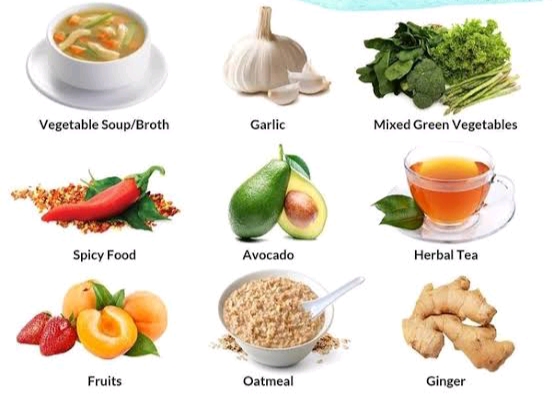
Chicken soup has long been regarded as a comfort food when feeling under the weather. Packed with nutrients, vitamins, and minerals, it boosts hydration and helps clear nasal congestion, making it beneficial for both colds and flu.

2. Citrus Fruits:
Vitamin C-rich fruits like oranges, lemons, and grapefruits are excellent choices to boost the immune system. They aid in preventing and fighting infections and provide hydration due to their high water content.

3. Ginger:
Ginger possesses immune-boosting and anti-inflammatory properties. It can aid in soothing sore throats, reducing nausea, and alleviating digestive issues. Ginger tea or adding ginger to meals can provide relief.

4. Yogurt:
Probiotic-rich foods like yogurt enhance the growth of beneficial gut bacteria, which is essential for a strong immune system. Moreover, yogurt aids in reducing antibiotic-associated diarrhea and supports gastrointestinal health.

5. Leafy Greens:
Leafy greens such as spinach, kale, and broccoli are packed with vitamins, minerals, and antioxidants that aid in strengthening the immune system. They also contain fiber, aiding in digestion and overall well-being.

6. Garlic:
Garlic has antimicrobial and immune-boosting properties, making it an excellent addition to meals for sick individuals. It helps fight infections, reduces cold symptoms, and improves overall cardiovascular health.

7. Oats and Whole Grains:
During illness, energy levels can be low. Oats and whole grains provide sustained energy due to their complex carbohydrates. They are also rich in fiber and essential nutrients, aiding in digestion and maintaining overall health.

8. Turmeric:
Curcumin, the active ingredient in turmeric, possesses powerful anti-inflammatory and antioxidant properties. It can aid in reducing pain and inflammation, making it beneficial for various ailments, including respiratory infections.

9. Berries:
Berries such as blueberries, strawberries, and raspberries are rich in antioxidants, vitamins, and fiber. They aid in boosting the immune system, fighting inflammation, and providing hydration due to their high water content.

10. Lean Protein:
Consuming lean proteins such as chicken, fish, or tofu can help repair tissues and build antibodies, essential for a swift recovery. Protein also plays a vital role in maintaining overall strength and facilitating healing processes.

Conclusion:

When seeking a speedy recovery during illness, it is crucial to provide the body with the right nourishment. Incorporating these ten foods into your diet can help boost the immune system, reduce inflammation, and provide the essential nutrients needed for a swift recovery. Remember to consult a healthcare professional for personalized advice and dietary recommendations as per individual health conditions.

The Vital Role of Marriage and Relationships Counseling

Marriage and relationships are intricate, beautiful, and at times challenging aspects of our lives. While they can bring immense joy and fulfillment, they also require effort, understanding, and constant communication. This is where the significance of marriage and relationship counseling becomes evident. In this article, we will explore the purpose, benefits, and importance of seeking professional guidance in nurturing and restoring healthy relationships.

1. Understanding the Role and Purpose of Counseling:
Marriage and relationship counseling involves the guidance and support provided by trained professionals to couples or individuals facing challenges in their intimate relationships. The primary goal of counseling is to foster open and honest communication, rebuild trust, resolve conflicts, and improve overall relationship satisfaction.

2. Enhancing Communication Skills:
Effective communication is the cornerstone of a successful and fulfilling relationship. However, various factors such as misunderstandings, differences in communication styles, and unresolved conflicts can hinder a couple’s ability to communicate openly. Marriage and relationship counseling offers a safe space for couples to learn and develop new communication skills, ensuring that both partners are heard and understood.

3. Identifying and Addressing Issues:
Counseling provides an environment where couples can discuss their concerns, fears, and unresolved conflicts in a non-judgmental setting. A skilled therapist can help identify underlying issues that may be causing distress within the relationship. These may include trust issues, financial disagreements, cultural differences, infidelity, or lack of intimacy. By addressing these concerns, couples can work towards resolutions and move forward.

4. Rebuilding Trust:
Trust is the bedrock of any successful relationship. However, trust can be easily damaged due to infidelity, deceit, or a series of betrayals. A marriage and relationships counselor assists couples in rebuilding trust by facilitating open conversations, establishing healthy boundaries, and guiding the healing process. Through counseling, couples can learn to reestablish trust and move towards a healthier, more secure relationship.

5. Providing Tools for Relationship Maintenance:
Marriage and relationship counseling equips couples with practical tools and techniques to foster a long-lasting, healthy bond. Therapists offer guidance on conflict resolution strategies, effective communication, and how to maintain emotional and physical intimacy. These tools serve as a foundation for couples to navigate future challenges and sustain a strong and loving relationship.

6. Reducing the Stigma Surrounding Counseling:
Seeking professional help for a relationship is a courageous and proactive step towards growth and improved well-being. Unfortunately, there is still a stigma surrounding marriage and relationship counseling. By shedding light on its benefits and emphasizing its positive impact, we can encourage more individuals and couples to seek the guidance they need, without fear of judgment.

Conclusion:
Marriage and relationship counseling plays a vital role in fostering healthy and fulfilling relationships. By providing a supportive environment, effective communication tools, and guidance in addressing issues and rebuilding trust, professional therapists help couples navigate the complexities of their relationships. It is crucial to recognize the importance of seeking professional help when needed, as it can lead to a stronger, more loving, and enduring partnership.

Best Herbal Remedies for Hypertension and How to Use Them

Hypertension, commonly known as high blood pressure, affects millions of people worldwide, making it a prevalent health concern. While medical treatments are widely available, many individuals are seeking natural alternatives to manage their blood pressure levels. Herbal remedies have long been utilized as natural supplements to support cardiovascular health. In this article, we will explore some of the best herbal remedies for hypertension and how they can be effectively used for treatment.

1. Hawthorn:
Hawthorn is a well-regarded herbal remedy for hypertension. It contains flavonoids and antioxidants that help relax blood vessels, reducing blood pressure. To prepare a hawthorn infusion, mix one teaspoon of dried hawthorn berries in a cup of boiling water. Steep for 10-15 minutes, strain, and consume three times a day.

2. Garlic:
Garlic has been used for centuries as a natural antihypertensive agent. Its active ingredient, allicin, helps relax blood vessels, reducing systolic and diastolic blood pressure. Including raw or cooked garlic in your daily meals can provide a beneficial effect on your blood pressure levels.

3. Hibiscus:
Hibiscus tea, made from the dried petals of the plant, is known for its ability to lower blood pressure. The antioxidants present in hibiscus help lower the systolic and diastolic blood pressure by relaxing the blood vessels. Steep 2 teaspoons of dried hibiscus petals in a cup of boiling water for 10 minutes, strain, and consume three times a day to reap its benefits.

4. Cinnamon:
Cinnamon is a widely available spice that can have positive effects on blood pressure levels. Its compounds improve blood vessel dilation and have antihypertensive properties. Incorporate half a teaspoon of cinnamon powder into your daily diet, such as by adding it to oatmeal, smoothies, or yogurt.

5. Ginger:
Ginger is known for its multiple health benefits, including lowering blood pressure. It has anti-inflammatory properties that help relax blood vessels, thus reducing hypertension. You can consume ginger in various forms, such as adding grated ginger to herbal tea or including it in your cooking.

6. Olive Leaf Extract:
Olive leaf extract contains a compound called oleuropein that has shown promising effects in reducing blood pressure. Consuming olive leaf extract supplements according to the recommended dosage can assist in maintaining healthy blood pressure levels.

Conclusion:
While these herbal remedies may assist in managing blood pressure, it is important to remember that hypertension is a serious condition that requires proper medical evaluation and supervision. It is advisable to consult with a healthcare professional before starting any herbal treatment. Incorporating these herbal remedies, in conjunction with a healthy lifestyle and dietary habits, can potentially contribute to better management of hypertension.

Foods That Can Increase the Risk of Stroke when Consumed Excessively

Maintaining a balanced diet is crucial for overall health, but it is equally important to recognize that certain foods when consumed excessively, can increase the risk of stroke. A stroke occurs when the blood supply to the brain is disrupted, resulting in damage to brain cells. By being aware of the potential dangers associated with excessive consumption of certain foods, we can make informed choices for a healthier lifestyle.

1. Processed Foods:
Processed foods, such as fried snacks, sugary cereals, processed meats, and fast food meals, are typically rich in unhealthy fats, sodium, and additives. These foods can raise blood pressure levels and lead to obesity, diabetes, and high cholesterol – all risk factors for stroke. Limiting the consumption of processed foods and opting for healthier alternatives can significantly reduce stroke risk.

2. Sodium-Rich Foods:
High levels of sodium in the diet can increase blood pressure, a leading cause of strokes. Canned soups, frozen meals, processed meats, fast food, and salty snacks are common sources of excessive sodium. It is advised to understand nutritional labels, lessen the use of table salt when cooking, and opt for fresh foods to regulate sodium intake adequately.

3. Saturated and Trans Fats:
Consuming excessive quantities of saturated and trans fats can lead to an increased risk of stroke and heart disease. Saturated fats are primarily found in red meat, full-fat dairy products, butter, and coconut oil, while trans fats are often present in packaged snacks, fast foods, and baked goods. Choosing healthier fats, such as those found in nuts, avocados, and olive oil, reduces the risk of stroke.

4. Soft Drinks and Sugary Beverages:
High sugar intake, as found in soft drinks and sugary beverages, has been linked to an increased risk of stroke. These beverages are often low in nutritional value and high in calories, which can contribute to weight gain and other risk factors for stroke. Opting for water, herbal teas, or freshly squeezed juices without added sugars is a healthier choice.

5. Excessive Alcohol Consumption:
While moderate alcohol consumption may have a protective effect on the cardiovascular system, excessive alcohol intake increases the risk of stroke and other health problems. Heavy drinking can raise blood pressure and lead to obesity, both of which are risk factors for stroke. Limiting alcohol intake to moderate levels according to health guidelines is recommended.

Conclusion:
Maintaining a healthy, balanced diet is crucial in reducing the risk of stroke. By avoiding excessive consumption of processed foods, sodium, unhealthy fats, sugary beverages, and alcohol, individuals can significantly lower the risk of stroke and promote overall well-being. Prioritizing fresh fruits, vegetables, whole grains, lean proteins, and healthy fats is essential for maintaining a healthy cardiovascular system and reducing the chances of stroke occurrence.

Sexual Dissatisfaction: A Growing Threat to Relationships

Sexual satisfaction is a crucial aspect of overall relationship quality and can significantly impact the stability and longevity of partnerships. An increasing number of studies suggest that sexual dissatisfaction is causing harm to marriages, dating relationships, and even cohabitation. In this article, we will explore the detrimental effects of sexual dissatisfaction on relationships and discuss the importance of addressing this issue for the well-being of individuals and partnerships.

The Impact of Sexual Dissatisfaction:
Sexual dissatisfaction can have far-reaching consequences, leading to disconnection, frustration, and ultimately, relationship breakdown. In marriages, the lack of sexual fulfillment often contributes to emotional distance, infidelity, and an overall decline in relationship satisfaction. The discontentment can manifest in reduced intimacy and a lack of communication, which deteriorates the emotional bond between partners.

Similarly, dating relationships and cohabitation setups are not immune to the negative effects of sexual dissatisfaction. Couples who are sexually unfulfilled may experience decreased trust, increased conflict, and heightened levels of stress. Over time, this dissatisfaction can erode the foundation of the relationship, potentially leading to separations or the breakdown of cohabitation arrangements.

Contributing Factors to Sexual Dissatisfaction:
Understanding the root causes of sexual dissatisfaction is crucial for addressing the issue. Common factors that contribute to sexual discontentment include:

1. Mismatched sexual desires: When partners have divergent levels of sexual desire, it can lead to frustration and resentment. One partner may feel unfulfilled due to a lack of sexual initiation or reluctance from the other, leading to a breakdown in intimacy and satisfaction.

2. Unsatisfactory sexual techniques or performance: Communication about sexual preferences is essential for a gratifying sexual experience. A lack of openness and a failure to address sexual concerns can result in dissatisfaction, as partners may feel their needs are not adequately met.

3. Health and body image issues: Physical or mental health problems, body image concerns, or sexual dysfunction can hinder sexual satisfaction. These issues may affect an individual’s confidence, resulting in a decline in sexual desire and performance, further exacerbating discontentment within the relationship.

Addressing Sexual Dissatisfaction:
Recognizing the importance of addressing sexual dissatisfaction is the first step toward finding solutions. Open and honest communication about sexual desires, boundaries, and concerns is crucial. Partners need to feel comfortable discussing their needs, exploring new ideas, and seeking professional help if required.

Sexual satisfaction is a shared responsibility, and both partners must be proactive in finding ways to improve their sexual connection. It may involve seeking therapy, attending couple’s workshops, or even reading self-help books on the subject. Building emotional intimacy, fostering trust, and creating an environment where both partners feel safe and respected are imperative.

Conclusion:
Sexual dissatisfaction has emerged as a significant threat to the overall well-being of relationships, be it in marriages, dating, or cohabitation. Couples must understand the repercussions of unaddressed sexual discontentment and take proactive steps toward resolving it. By improving communication, fostering intimacy, and seeking support, couples can work together to rekindle sexual satisfaction and strengthen their bond, ultimately fostering healthier and happier relationships.

Pediatric Stroke: A Guide to Prevention and Treatment

What is a pediatric stroke?

Pediatric stroke is a rare condition affecting one in every 4,000 newborns and an additional 2,000 older children each year. Stroke is a type of blood vessel (cerebrovascular) disorder. Strokes can be categorized as ischemic (caused by insufficient blood flow) and hemorrhagic (caused by bleeding into the brain). When a blood vessel in the brain is injured, the brain tissue around it loses blood supply and suffers injury as well. Treatments and long-term outcomes in children are different for each type.

As with adults, without prompt and appropriate treatment, stroke in children can be life-threatening and requires immediate medical attention. Stroke is among the top 10 causes of death in children. Pediatric stroke can also cause neurologic disability, with a risk of permanent long-term cognitive and motor impairment.

IF YOU SUSPECT YOUR CHILD IS HAVING A STROKE, CALL 911 IMMEDIATELY.

What are the signs and symptoms of pediatric stroke?

Stroke in children typically begins suddenly. Symptoms may include (but are not limited to) the following:

• weakness or numbness on one side of the body

• slurred speech or difficulty with language

• trouble balancing or walking

• vision problems, such as double vision or loss of vision

• sudden lethargy or drowsiness

• seizure (unusual rhythmic movement of one or both sides of the body)

What are the risk factors for pediatric stroke?

The causes of stroke in children are different than those in adults. Risk factors include:

√ heart disease

√ problems with blood vessels supplying the brain

√ blood clotting disorders

√ sickle cell disease

Pediatric Stroke Diagnosis

When a child experiences symptoms that may indicate a stroke, a rapid and thorough evaluation by a pediatrician or neurologist is essential to initiate treatment quickly and lower the risk of long-term problems.

Imaging studies of the brain and blood vessels, such as magnetic resonance imaging (MRI) or computed tomography (CT), are essential for diagnosis.

Additional testing to find the cause of the stroke may include:

¶ catheter angiogram (a thin, flexible tube is inserted into blood vessels, contrast is injected, and X-rays are used to take pictures of the arteries and veins in the brain)

¶ Echocardiogram (an ultrasound of the heart)

¶ Blood tests for clotting disorders

Your child may need to see other specialists to help identify the cause of the stroke, including intensive care doctors, hematologists (specialists in blood disorders), neurologists, neurosurgeons, interventional radiologists, and rehabilitation doctors (rehabilitation specialists in recovering function after stroke).

Pediatric Stroke Treatment

In the early stages of a stroke, your child’s treatment centers around supporting blood flow to the brain. Treatment may be a combination of the following:

Medical therapy: Your child may receive aspirin or other blood thinners (anticoagulants) and special vitamins. Children with sickle cell disease and stroke may be treated with hydroxyurea, transfusion therapy, or both. If the stroke is causing seizures, your child may need anti-seizure medication as well.

“Clot-busting” medications used successfully in adults have not yet been approved for use in children, but they may be considered in certain situations.

Interventional neuroradiology: If your child has abnormal connections in blood vessels that feed the brain (arteriovenous malformation) or blood vessels with weakened walls that can bulge and tear (aneurysm), the doctor may place a catheter inside the affected blood vessel to help repair the abnormal area. In some situations, a catheter can be used to remove large clots in blood vessels to help restore essential blood flow to the brain. These interventional neuroradiology procedures are done with a catheter that is inserted into a blood vessel in the arm or leg and guided into the blood vessels in the brain.

Surgery: A surgical procedure may be appropriate for certain types of stroke and other cerebrovascular disorders. The type of surgery needed depends on the cause of the stroke. Surgery to remove a piece of bone (craniectomy) may be required in cases with severe brain swelling. Some other surgeries for stroke include the closure of abnormal blood vessels, removal of abnormal areas of the brain, and rerouting of blood vessels to help provide blood supply to injured areas.

Pediatric Stroke Recovery

Follow-up care is extremely important. Once your child is stabilized, your medical team will work with you to create an ongoing plan to assess your child’s function and optimize recovery.

Depending on where in the brain the stroke occurred, your child may experience difficulties with walking, seeing, speaking, or reading, sometimes with one side of the body affected more than the other. The stroke may cause a seizure disorder or have an impact on your child’s thinking or emotions.

Overall, a child’s growing brain has a better chance of recovering from a stroke than an adult’s brain. Prompt diagnosis and treatment can minimize the risk of lasting problems, and early rehabilitation can help maximize recovery.

Understanding the Reasons for Suicide in Nigeria Today and How to Prevent It

Suicide is a tragic and complex issue that affects millions of people worldwide, including Nigeria. The growing concern about this phenomenon necessitates a deeper understanding of the reasons behind suicidal behaviors. Additionally, it is crucial to explore strategies on how to address and prevent this distressing problem in our society.

Reasons for Suicide in Nigeria:
1. Mental Health Stigma: One significant factor contributing to suicide is the prevailing societal stigma surrounding mental health issues such as depression, anxiety, and bipolar disorder. Many Nigerians view these conditions as personal weaknesses rather than treatable illnesses, which often discourages individuals from seeking help.

2. Poverty and Unemployment: Nigeria faces significant economic challenges, including high levels of poverty and unemployment. These factors can lead to feelings of hopelessness, despair, and a lack of purpose, all of which can increase the risk of suicide.

3. Relationship Problems: Troubled relationships, including marital conflicts, family disputes, and social isolation, can create emotional distress and contribute to suicidal thoughts among individuals. The breakdown of support systems and lack of healthy communication exacerbate these issues.

4. Substance Abuse: Substance abuse, including drug and alcohol addiction, is often intertwined with suicidal behaviors. Substance misuse can impair judgment, exacerbate underlying mental health problems, and amplify feelings of despair.

5. Educational Pressures: In Nigeria’s highly competitive educational system, the pressure to succeed academically can become overwhelming for students. Academic stress, combined with the fear of disappointing family, can push some individuals to contemplate suicide.

Prevention and Intervention Strategies:
1. Raise Mental Health Awareness: To combat the stigma surrounding mental health, society needs to engage in education campaigns that enhance awareness, understanding, and acceptance. Creating safe spaces for individuals to openly discuss mental health issues can encourage seeking help and reduce suicidal tendencies.

2. Accessible Mental Health Services: There is an urgent need to increase the availability and accessibility of mental health services in Nigeria. This involves establishing more mental health clinics, training mental health professionals, and integrating mental health modules into primary healthcare systems.

3. Suicide Helplines and Support Groups: Establishing helplines and support groups can offer individuals in crisis a safe and confidential platform to express their emotions and seek guidance. These services should be well-publicized and easily accessible to encourage utilization.

4. Community Involvement: Communities should actively promote social cohesion and inclusivity. By organizing events, workshops, and awareness campaigns on mental health, communities can actively combat isolation and provide support systems for vulnerable individuals.

5. Government Support: The Nigerian government should prioritize mental health by allocating adequate funding and resources towards mental health services. Policies and legislation should be developed to protect the rights and well-being of individuals struggling with mental health issues.

Conclusion:
Addressing the reasons behind suicide in Nigeria requires a comprehensive and multi-sectoral approach. By increasing awareness, improving mental health services, promoting community involvement, and providing government support, individuals can receive the help they need, and society can work towards preventing tragic loss of life. It is through a collective effort that we can create a more compassionate and supportive society, where every life is valued and cherished.

7 Steps to Overcoming the Urge to Give Up and Find Your Motivation Again

1. This is a Phase.
Tough times are just a phase. They don’t last forever. Life is a cycle of highs and lows. Remember, this too shall pass. You’re in the middle of the storm now, but clear skies are ahead. Hold on.

2. You Are Stronger Than You Think.
Never underestimate your resilience.

– You’ve survived 100% of your bad days.
– Inside you, there is an inner strength.
– Your potential is greater than any problem.

Remember, you’re stronger and more capable than you believe.

3. Small Steps Count.
Progress isn’t always a leap forward. Sometimes it’s tiny, almost imperceptible steps. Each step, no matter how small, brings you closer to your goal. Celebrate every bit of progress. Slow and steady can still win the race. Keep moving forward.

4. Remember Your ‘Why’.
Think back to the reasons why you started. Reconnect with your motivation and your goals.

5. Failure is a Stepping Stone.
It’s okay to fall but it’s important to rise again. Every setback brings learning opportunities.  Remember, every great success story involves overcoming obstacles. Keep going. Your story is being written.

6. Practice Self-Care.

Self-care is essential, especially during tough times.

– Eat nutritious food
– Exercise regularly
– Get adequate sleep
– Connect with loved ones
– Engage in activities that bring joy.

It’s not selfish, it’s survival. Your well-being matters.

7. It’s Okay to Ask for Help.
Remember, you’re not alone in this journey.

– Reach out to friends, family, or professionals
– Open up about your struggles
– Seek support when you need it

Strength isn’t just about enduring in silence. It’s also knowing when to ask for help.

To my friends and readers, Fight for yourself. No matter how difficult it becomes, never let yourself give in. After some time, your spark will eventually return. You will come out happier, healthier, and wiser. We are in this together.

Design a site like this with WordPress.com
Get started