
Drinks You Should Drink Regularly at Night to Stay Healthy in Your 60s and Above

As we age, our bodies require extra care and attention to maintain optimal health. While exercise and a balanced diet play a crucial role in this, it is equally important to pay attention to the beverages we consume. Nighttime can be a crucial period for our bodies, as the right drinks can help promote better sleep, boost immunity, and support overall wellness. In this article which is by Healthline, we will explore some fantastic drinks that individuals in their 60s and above should regularly include in their nightly routine to stay healthy and thrive during this stage of life.

1. Herbal teas for a peaceful slumber:

A good night’s sleep is vital for maintaining energy levels, mental clarity, and overall well-being. One of the best drinks to promote a peaceful slumber is herbal tea. Chamomile tea infused with its calming properties can help reduce anxiety and improve sleep quality. Herbs like lavender and valerian root also possess sedative properties, making them excellent choices for enhancing sleep. By incorporating herbal teas into their nightly routine, individuals in their 60s and above can promote relaxation and better sleep patterns.

2. Warm milk to promote bone health:

As we age, maintaining strong and healthy bones becomes increasingly important. In this regard, warm milk can be an excellent nighttime choice. Milk is a rich source of calcium and vitamin D, both of which are crucial for bone health. Regular consumption of warm milk can help prevent osteoporosis and reduce the risk of fractures. Additionally, warm milk contains tryptophan, an amino acid that aids the production of serotonin and melatonin, promoting a calm and peaceful state before bedtime.

3. Tart cherry juice for sleep and joint health:

Chronic pain and inflammation are common concerns among people in their 60s and above. Tart cherry juice, derived from Montmorency cherries, has gained popularity for its anti-inflammatory properties, promoting joint health and reducing arthritis symptoms. Furthermore, tart cherry juice is rich in melatonin, a hormone that regulates sleep-wake cycles. By drinking tart cherry juice regularly, individuals can potentially experience improved sleep quality, reduced inflammation, and enhanced joint mobility.

4. Green tea for brain health:

Cognitive decline is a natural part of aging, but certain lifestyle choices can help combat this phenomenon. Green tea, loaded with antioxidants and polyphenols, has been revered for its numerous health benefits. The presence of catechins in green tea has been associated with improved brain function and a reduced risk of cognitive decline. Regular consumption of green tea can promote mental alertness, support memory retention, and protect against neurodegenerative diseases like Alzheimer’s. Including a cup of green tea in your nightly routine can be a powerful tool to support brain health in your 60s and beyond.

5. Ginger and turmeric tea for digestion and inflammation:

As we age, digestive health may become compromised, leading to discomfort and a decreased appetite. Ginger and turmeric, both widely regarded for their medicinal properties, offer a potent combination to support digestion and reduce inflammation. Ginger helps alleviate gastrointestinal issues such as bloating, indigestion, and nausea. Turmeric, on the other hand, is a natural anti-inflammatory spice that aids digestive health while reducing joint pain. Combining these two ingredients in a warm tea not only provides comfort but also supports healthy digestion and reduces inflammation.

6. Aloe vera juice for gut health:

Maintaining a healthy gut is essential for overall well-being, especially as we age. Aloe vera juice, derived from the inner gel of the aloe vera plant, has been used for centuries due to its potential digestive benefits. Aloe vera juice contains enzymes that help break down food, easing digestion and reducing gastrointestinal inflammation. Additionally, it is a natural laxative, promoting regular bowel movements and preventing constipation – a common issue among older individuals. By including a small glass of aloe vera juice in your nighttime routine, you can support gut health and promote a comfortable digestive system.

Drinking the right beverages at night can significantly contribute to overall health, wellness, and vitality for individuals in their 60s and above. Herbal teas can enhance sleep quality, warm milk can support bone health, and tart cherry juice can reduce inflammation and promote joint health. Green tea helps protect brain function, while ginger and turmeric tea aid digestion and reduce inflammation. Lastly, aloe vera juice supports gut health and promotes regular bowel movements. By incorporating these drinks into your nighttime routine, you can take proactive steps to maintain optimal health and enjoy a fulfilling life in your 60s and beyond.
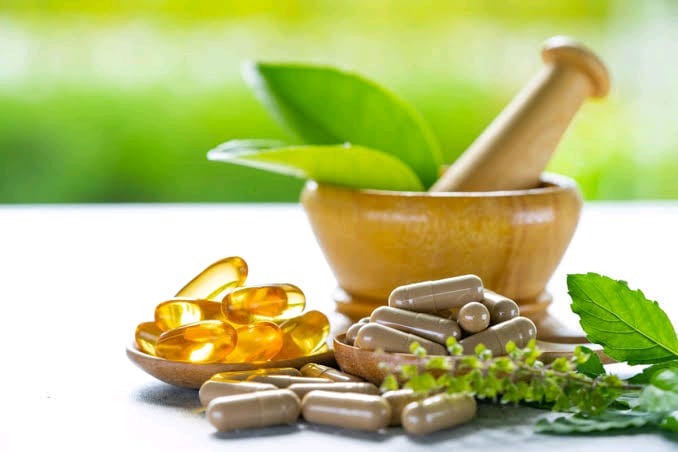

Discover 5 Supplements You Should Take After the Age of 50 and Why They’re Recommended

As the years go by, both men and women can expect various changes. With age come wrinkles, hearing loss, more frequent forgetfulness, and the occasional gray hair. However, aging can also bring nutritional deficiencies. This is where the supplements you might take after you turn 50 come into play.

But which ones are worth taking? To help you out, we’ve compiled a list of 5 that might be helpful.

It’s important to note that before starting any supplementation regimen, you should consult with a doctor or nutritionist. The consumption of these supplements after the age of 50 has to be personalized and endorsed by a professional.

Take note! These are the supplements you should take after 50

Aging is often accompanied by changes that increase the risk of nutritional deficiencies. In this sense, older adults can benefit from supplements created to help meet nutrient needs.

On the other hand, they’re also often an option for those living with a disease that makes it difficult for them to absorb nutrients. This is the case for people with celiac disease and those with Crohn’s disease.

Certain vitamins and minerals become more difficult to absorb or to create by the body itself, as time goes by. That is why supplements have been developed to provide the necessary amounts. Read on to find out what they are!

1. Calcium

Calcium is an important component of bones, accounting for 30-35% of their mass. However, as we age, bone density is lost and there is a greater propensity to fracture.

Women in menopause are at greater risk.

A simple way to maintain a healthy bone system is to include enough calcium in our diet. This mineral is crucial for the proper functioning of muscles, nerves, and even blood vessels.

To get enough, the National Institute on Aging recommends including dairy products, canned fish, green leafy vegetables, and cereals in the dietary pattern. If not enough is taken, the body will extract this mineral from the bones.

What is the recommended amount? According to the Office of Dietary Supplements, the ideal daily intake of calcium would be as follows:

•1200 milligrams (mg) per day for women aged 51 and older

•1000 mg per day for men aged 51 to 70 years

•1200 mg per day for men 71 years of age or older

So, calcium is one of the supplements you should take after age 50. You can find it in chewable tablets or in presentations that combine it with vitamin D.

Before taking it, it’s important to consult a doctor. An excess of this mineral can also have negative effects and favor the formation of kidney stones.

Calcium is almost always prescribed when osteoporosis is diagnosed.

2. Supplements you should take after 50: Vitamin B12

Essential for proper brain and nervous system function, vitamin B12 promotes the production of myelin, a substance that coats nerves and enables the transmission of electrical signals. In addition, it’s crucial for the formation of deoxyribonucleic acid (DNA), the genetic material in all cells.

Although it’s stored in the liver, the Office of Dietary Supplements suggests a daily intake of 2.4 mcg to support values. Fortunately, several food sources provide the necessary amount: fish, beef, poultry, eggs, milk, and clams.

For older adults who are vegetarians, vegans, celiacs, or have Crohn’s disease, obtaining a sufficient amount of vitamin B12 through diet can be difficult. For this reason, supplements are recommended for them.

A deficient intake can have serious health consequences:

•Anemia

•Heart problems

•Neurological damage or neuropathy

•Increased risk of developing dementia

Its presentations are varied. You can find it in injections, sublingual tablets, or sprays.

3. Vitamin D

Vitamin D plays a key role in human health since it’s necessary to absorb calcium and strengthen bones and muscles. The body produces it when exposed to sunlight, however, this ability decreases as we age.

On the plus side, you can use supplements that contain it. In general, vitamin D is found in commercial presentations that contain ergocalciferol or cholecalciferol. Keep in mind that, as a fat-soluble vitamin, it’s best absorbed when taken with foods that contain some fat, such as trout, salmon, and tuna.

Low vitamin D levels can affect physical and mental well-being. According to a publication in the Journal of Aging and Gerontology, low levels in the body have been linked to cognitive decline, depression, osteoporosis, cardiovascular disease, high blood pressure, diabetes, and cancer.

For this reason, the Office of Dietary Supplements recommends a daily intake of 15 mcg for adults between the ages of 19 and 70. Starting at age 71, it should be raised to 20 mcg.

4. Magnesium

After the age of 50, magnesium is one of the micronutrients that should not be lacking. It’s necessary for energy production, bone structural development, and muscle contraction. It also helps keep blood sugar and blood pressure stable.

A 2021 study published in Nutrients reports that cardiovascular disease, high blood pressure, stroke, and Alzheimer’s have been linked to a magnesium deficit.

You can find it in nuts, seeds, and green leafy vegetables. However, older adults may need a supplement. The Office of Dietary Supplements recommends an intake of 420 mg in men and 320 mg in women.

Magnesium deficiency may be a culprit in some sleep disorders.

5. Supplements you should take after 50: Omega-3

The diet of people over 50 cannot be lacking in omega-3 either. According to a study published by researchers at the University of Rome, fatty acids could prevent and reduce comorbidities in older adults. It has even been suggested that they may prevent macular degeneration and hearing loss.

They’re present in salmon, tuna, herring and sardines, nuts, seeds, and vegetable oils such as soybean and canola. The Office of Dietary Supplements encourages a daily intake of 1.6 g in men and 1.1 g in women.

In conclusion, maintaining proper nutrition is essential for a good quality of life, especially after age 50. Supplements are elements that can contribute to your well-being and prevent health complications.

Don’t forget that before taking any of them, it’s key to consult with a health professional. It’s necessary to establish the optimal dosage for you and the total time of intake.

Halitosis Herbal Treatment, Prevention, Symptoms, Causes, Cured

General Name: Bad Breath
Medical Name: Halitosis

Halitosis Symptoms:
•Bad Breath
•Dry Mouth
•A coating on Tongue
•Foul or unpleasant Smell from the Mouth

Description:
Bad Breath is a disease of the Mouth.

But, it may be due to the malfunctioning of one or more Organs of the Body.

It may be the result of an impaired metabolism.

Bad breadth is a foul smell from the Mouth when a person breathes.

It can be smelt by the person himself and by others too.

It is not a disease in itself.

It is a consequence of a disease elsewhere in the body.

It may be in the Mouth.

If you eat spicy food, it contains a foul smelling sulfur. This compound will go to the blood stream. It will take some time to completely vanish from the body. This is one of the cause of bad odor.

Bleeding gums, Decaying teeth or any decay in the Mouth may be the cause.

The cause may be in the Stomach, indigestion for example.

It may be further down in the Alimentary Canal or anywhere in the body.

A proper analysis, sorry diagnosis, is necessary.

Treat the cause, not the symptom and your estranged GF will be back.

And, O! Please, if I temporarily smell of garlic, do not accuse me of having Halitosis. I will go, brush my teeth and be back.

Causes of Bad Breath:
Diabetes
Carcinoma
Poor Diet
Sinusitis
Constipation
Tonsillitis
Sore Throat
Sleep Apnea
Tooth Decay
Indigestion
Acid Reflux
Spicy Foods
Constipation
Bleeding Gums
Liver Disorder
Fetor Hepaticus
Diabetes mellitus
Disease in the Mouth
Chronic Liver Failure
Metabolic Dysfunction
Lower respiratory tract infections
Renal Infections or Renal Failure
Trimethylaminuria; Fish Odor Syndrome

If not properly, Bad Breath may cause:
Permanent tooth damage
Infections in the Mouth

Note : The proper teeth hygiene is very important. Regular brushing and flossing may help to eradicate the bad breath. If it is not working than the problem is in the metabolism. Try to find out the cause first.

Materia Medica : Herbal Treatment for Halitosis

Single Herb

Mango Ginger for Bad Breath
Prepare decoction of Rhizomes. Gargle with it twice a day.

Create your own website, free on WordPress.com.Create your own website.
Start free