Herbal Healthcare Solutions: Addressing Health Problems in Nigeria

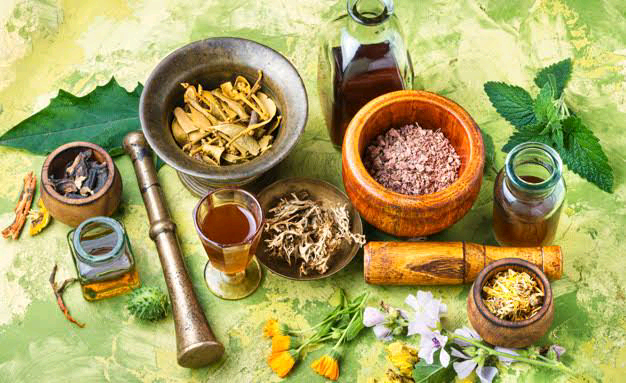
Nigeria, a vibrant country in West Africa, possesses a rich array of natural resources, including a diversity of traditional medicinal plants. In a quest to combat health problems, many Nigerians are turning to traditional herbal healthcare solutions, harnessing the power of natural herbs and medicinal plants. This article aims to explore some prevalent health problems in Nigeria and their potential remedies found within the country’s herbal medicine.

Health Problems in Nigeria:
1. Malaria:
Malaria continues to be a major health concern in Nigeria, claiming the lives of thousands each year. However, indigenous herbs like Artemisia annua (sweet wormwood), Azadirachta indica (neem), and Carica papaya (papaya) have shown promise in managing and preventing this mosquito-borne disease. These natural herbs possess antimalarial properties and are often used in herbal remedies and traditional practices.

2. Diabetes:
With a rising prevalence of diabetes in Nigeria, individuals are seeking alternative solutions to manage this chronic condition. Herbal treatments utilizing bitter melon (Momordica charantia), mango leaves (Mangifera indica), and cinnamon (Cinnamomum verum) have gained popularity due to their reported potential in blood sugar regulation. Integrating these medicinal herbs into a balanced diet may contribute to better diabetes control.

3. Hypertension:
High blood pressure is a significant health problem affecting many Nigerians. Herbal remedies involving garlic (Allium sativum), hibiscus (Hibiscus sabdariffa), and moringa (Moringa oleifera) have been traditionally used to lower blood pressure. Research suggests these natural ingredients may possess anti-hypertensive properties, potentially aiding in the reduction of hypertension and promoting cardiovascular health.

4. Digestive Disorders:
Nigeria faces various digestive disorders, including diarrhea, constipation, and stomach ulcers. Traditional herbal healthcare provides potential relief through the utilization of herbs like Aloe vera, ginger (Zingiber officinale), and peppermint (Mentha piperita). These natural remedies are believed to have soothing and healing effects on the digestive system, assisting in the management of such conditions.

5. Respiratory Issues:
Respiratory ailments, such as asthma, bronchitis, and coughs, are prevalent in Nigeria, often worsened by environmental factors like pollution and seasonal changes. Herbal treatments featuring eucalyptus (Eucalyptus globulus), garlic, and African ginger (Zingiber officinale) have been used traditionally to alleviate respiratory symptoms. These herbs may possess expectorant, anti-inflammatory, and antimicrobial properties.

Conclusion:
Nigeria is blessed with a rich heritage of traditional medicine, including a wealth of medicinal herbs and natural remedies. While conventional medical treatments are still crucial, the integration of herbal healthcare solutions can offer a holistic approach to addressing health problems in Nigeria. From malaria to chronic conditions like diabetes and hypertension, exploring the potential of natural herbs and medicinal plants might provide additional therapeutic options for individuals seeking alternative avenues in their health journey.

Despite the promise of herbal treatments in Nigeria, it is vital to consult trained herbal healthcare practitioners and medical professionals for personalized advice and guidance. Embracing a cheery and open-minded approach, Nigerians can continue appreciating the value of herbal medicine while ensuring their health and well-being.

Conquering Infections Naturally with Herbal Remedies

Infections are a common occurrence in our lives and can affect us in various ways, from minor ailments to more severe conditions. While conventional medicine provides effective treatments, many people are seeking natural alternatives that can help fight and prevent infections. In this article, we will explore the world of herbal medicine, discussing the definition of infections and how to combat them using natural herbs and remedies.

Understanding Infections:
Infections are caused by pathogenic microorganisms, such as bacteria, viruses, fungi, or parasites, invading the body’s tissues and multiplying. They can manifest in different ways, leading to symptoms like fever, pain, inflammation, coughing, or even more severe systemic issues. Infections can be localized or spread throughout the body.

Herbal Medicine and its Benefits:
Herbal medicine, also known as herbalism or phytotherapy, is the practice of using plants and plant-based preparations to treat and prevent health conditions. It harnesses the therapeutic properties of natural herbs, which often contain chemical compounds that can have beneficial effects on the body.

Natural Herbs That Combat Infection:
1. Garlic: Known for its antiviral, antibacterial, and antifungal properties, garlic can help fight various infections. It boosts the immune system and acts as a natural antibiotic.

2. Echinacea: This herb stimulates the immune system and has been traditionally used to prevent and treat respiratory infections, colds, and flu.

3. Turmeric: With its powerful anti-inflammatory properties and ability to boost immunity, turmeric can aid in fighting infections, especially those characterized by inflammation.

4. Oregano: This herb contains thymol and carvacrol, both possessing antimicrobial and antiviral properties. Oregano oil is known to be effective against various bacteria and fungi.

5. Ginger: Known for its antibacterial and antiviral properties, ginger can help combat respiratory infections, reduce inflammation, and boost overall immunity.

Herbal Remedies and Treatments:
1. Herbal teas: Many herbs can be brewed into soothing and healing teas that boost the immune system and combat infections. Examples include chamomile, elderberry, and peppermint teas.

2. Herbal supplements: Herbal supplements derived from natural herbs can provide concentrated doses of specific plant compounds to aid in fighting infections. Many have immune-boosting properties.

3. Herbal compresses: Applying herbal compresses, such as turmeric or ginger poultices, to infected areas can help reduce inflammation, relieve pain, and promote healing.

Herbal Medicine in Nigeria:
Nigeria has a rich history of herbal medicine, with many individuals relying on traditional herbal remedies to treat and prevent infections. Many local plants, such as bitter leaf, neem, and African potato, have been used for centuries for their healing properties.

Conclusion:
Infections can be debilitating, but natural herbs and herbal remedies offer a gentler and alternative approach to traditional medicines. When used in conjunction with medical advice, herbal medicine can provide valuable support in fighting and preventing infections while strengthening the immune system. Embracing the power of natural herbs allows us to tap into the healing properties provided by Mother Nature herself.

The Ultimate List of the Potential Killers of Men

● Children’s school fees
● house rents
● Electricity bills
● Medical bills
● Generator fuel & repairs
● Car fuel and repairs
● Feeding of family
● Clothes for children
● Sallah or Christmas and New Year bills
● Furniture & House Maintenance
● In-laws problem/demand
● His aged parents
● His siblings most times
● His wife’s demands
● Vigilante bills
● Erecting Building
● Religious demands
● Family social bills
● Electronics bills
● Recharge cards
● Extended family bills
● Community demands

On top of the above, he also faces the following:

● Wife stress
● Boss stress at work
● Police stress on the way
● Area boys stress
● Kidnappers fear
● Friends stress
● Economy stress
● Fear of job loss
● Unemployment pains
● Armed Robbery stress
● Children misbehavior
● Neighbours stress
● Bank loan payment stress
● Enemies stress
● Demonic attack stress
● Sex stress

…and so on! OMG!!

Are these reasons not enough for all African Wives to understand and give their husbands peace at home?

Are men not trying? How can an African man with this kind of load be romantic like an American man?

Women, please give your husbands peace at home.

Encourage your husbands.

Stop being sarcastic to them. Except if you like to join the widows club early!

Note:That club is not funny. Ask members. Help your husband. Contribute to the family.

Be a helper. Be submissive. Stop nagging.

Build your home and marriage. It is not greener outside there. Don’t be deceived!!

Help your men to live longer like you.

Dangerous Mix: Energy Drinks and Local Bitters Linked to Kidney and Liver Damage

Energy drinks and local bitters have become increasingly popular beverages consumed by individuals seeking a quick energy boost or a refreshing drink. However, combining these two seemingly harmless drinks may have severe consequences on our health. Mounting evidence suggests that the combination of energy drinks and local bitters can lead to chemical reactions within our bodies, potentially causing irreversible damage to the kidneys and liver. This article delves into the alarming findings of scientific research regarding this hazardous combination.

Kidney Damage:
Several studies have highlighted the association between energy drinks, local bitters, and kidney damage. Energy drinks are notorious for their high caffeine and sugar content, which, when combined with local bitters, create a potent mixture that increases the strain on the kidney’s filtration system. This excessive workload on the kidneys can lead to long-term renal damage, including the formation of kidney stones, decreased kidney function, and in severe cases, even kidney failure.

Liver Damage:
The liver plays a vital role in detoxifying our body by metabolizing substances, such as alcohol and caffeine. When energy drinks and local bitters are combined, their chemical constituents may interact to produce harmful compounds that overwhelm the liver’s detoxification capabilities. This can lead to inflammation, oxidative stress, and the accumulation of toxins in the liver, eventually resulting in liver damage and impairing its proper functioning.

Chemical Reactions:
The specific chemical reactions that occur when energy drinks and local bitters are mixed are complex and not yet fully understood. However, researchers have identified potential culprits such as the combination of caffeine, taurine, and herbal ingredients found in energy drinks with compounds present in local bitters, including bitter herbs and botanical extracts. When these substances react, they could generate harmful byproducts that are toxic to the kidneys and liver.

Health Risks:
Apart from kidney and liver damage, the combination of energy drinks and local bitters presents several other health risks. Excessive consumption of these mixtures may lead to increased heart rate, hypertension, dehydration, and altered brain function. Furthermore, individuals with pre-existing medical conditions, such as cardiovascular issues, diabetes, or liver and kidney diseases, are particularly vulnerable to the harmful effects of this combination.

Public Awareness and Safety Measures:
Considering the potential dangers associated with mixing energy drinks and local bitters, it is crucial to raise public awareness about the risks of this combination. Government health agencies should intensify their efforts to educate the public on the hazardous effects and discourage the concurrent consumption of these beverages. Warning labels and stricter regulations on the sale and marketing of energy drinks and local bitters should be implemented to mitigate the risks and protect consumer health.

Conclusion:
The combination of energy drinks and local bitters has been scientifically linked to chemical reactions that may result in irreversible damage to both the kidneys and liver. As these beverages continue to gain popularity, individuals need to be aware of the potential health risks associated with their simultaneous consumption. It is advisable to exercise caution and, preferably, avoid this dangerous mix altogether. Prioritizing our health by making informed choices is crucial to safeguarding the longevity and proper functioning of our kidneys and liver.

The Importance of Inquiring about a Patient’s HIV Status for Scabies Treatment

When seeking medical care for scabies, patients may find it puzzling that doctors often ask about their HIV status. While scabies are a highly contagious skin condition caused by mites, the inquiry into a patient’s HIV status is crucial in ensuring appropriate management and care. In this article, we will explore why doctors inquire about a patient’s HIV status when treating scabies, emphasizing the importance of obtaining a full medical history and tailoring treatment strategies accordingly.

Understanding Scabies

Scabies is a contagious skin disease caused by the Sarcoptes scabies mite. It is typically transmitted through prolonged skin-to-skin contact with an infected individual. The condition manifests as intense itching, small red bumps, and visible burrows on the skin. Scabies can affect people of all ages, genders, and sexual orientations, regardless of their HIV status.

The Connection between Scabies and HIV

While scabies can affect anyone, individuals with compromised immune systems, such as those with HIV, are more susceptible to severe and atypical cases. The weakened immune response in HIV-positive individuals allows scabies mites to proliferate more rapidly, leading to more extensive and severe infestations. Therefore, it becomes crucial to establish a patient’s HIV status before initiating treatment for scabies.

1. Differential Diagnosis

HIV-positive patients may present scabies lesions that closely resemble other skin conditions commonly observed in those with compromised immune systems. Inquiring about a patient’s HIV status helps doctors differentiate between scabies and other potential conditions, allowing for accurate diagnosis and appropriate treatment plans.

2. Treatment Strategy

Knowing a patient’s HIV status is vital in determining the most effective and suitable treatment strategy for scabies. HIV-positive individuals may require a more aggressive approach due to their compromised immune system. Moreover, certain medications or treatment regimens for scabies may interact negatively with antiretroviral medications used to manage HIV, potentially affecting treatment efficacy and patient outcomes.

3. Preventative Measures

Patients with HIV need comprehensive care to manage their condition effectively. By inquiring about their HIV status during a scabies diagnosis, doctors can provide necessary counseling and education on preventing transmission, managing symptoms, and ensuring proper follow-up care. Additionally, identifying HIV status allows healthcare providers to offer patients the necessary support and resources specific to their needs.

Conclusion

When doctors inquire about a patient’s HIV status during scabies treatment, it is important to recognize the rationale behind this practice. Considering the higher risk and unique challenges faced by HIV-positive individuals, tailoring treatment plans and providing necessary support and education becomes imperative. By obtaining a patient’s full medical history, doctors can ensure optimal management of scabies while addressing the specific needs and concerns of those living with HIV.

It is crucial to remember that respecting patient confidentiality and being non-judgmental are essential aspects of healthcare provider-patient relationships when inquiring about a patient’s HIV status. Open communication and understanding contribute to providing the best care possible for all patients, regardless of their medical conditions.

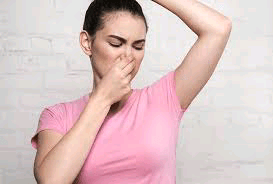
Herbal Treatment, Prevention, Symptoms, Causes, and Cure for Body Odor

Body odor, also known as bromhidrosis, refers to an unpleasant smell emitted from the human body. While it is a common occurrence caused by sweat and bacteria, excessive body odor can be distressing for individuals and those around them. This article will explore herbal treatments, preventive measures, common symptoms, underlying causes, and possible cures for body odor.

Herbal Treatment for Body Odor:

1. Tea Tree Oil: Known for its antimicrobial properties, tea tree oil can help combat the bacteria responsible for body odor. Dilute a few drops of tea tree oil in water and apply it to the underarm area after showering.

2. Sage: Sage is a powerful herb that can reduce excessive sweating. Boil sage leaves in water, strain the liquid, let it cool, and apply it to the underarms using a cotton ball.

3. Rosemary: This aromatic herb can help neutralize body odor. Prepare a mixture of dried rosemary leaves and baking soda, apply it to the underarms, and leave it on for 15 minutes before rinsing off.

Prevention and Hygiene:

1. Regular Bathing: Daily showers help cleanse the skin, reduce bacteria, and eliminate odor-causing agents.

2. Proper Clothing: Choose breathable fabrics such as cotton or linen that allow air circulation and absorb moisture, helping to prevent the buildup of bacteria.

3. Good Hygiene: Regularly wash undergarments, socks, and clothing worn close to the sweat-prone areas to minimize bacterial growth.

Common Symptoms of Body Odor:

1. Unusual or strong smell from the armpits, feet, groin, or other sweat-prone areas.
2. Excessive sweating (hyperhidrosis).
3. Perspiration that increases with stress or physical activity.

Underlying Causes of Body Odor:

1. Bacterial Breakdown: Bacteria present on the skin break down sweat, resulting in unpleasant odors.

2. Hormonal Changes: Hormonal fluctuations during puberty, menopause, or hormonal imbalances can lead to increased sweating and body odor.

3. Diet: Certain foods, such as spicy or pungent ingredients, can contribute to body odor.

Cures for Body Odor:

1. Antiperspirants: Over-the-counter antiperspirants can help reduce sweating and control body odor by blocking sweat glands temporarily.

2. Medical Treatments: In severe cases, medical treatments like prescription antiperspirants or Botox injections to temporarily block sweat glands may be recommended.

3. Lifestyle Changes: Implementing a healthy lifestyle, including a well-balanced diet, regular exercise, and stress management, can help regulate sweat production and minimize body odor.

Conclusion:
Managing body odor involves incorporating herbal treatments, maintaining good hygiene practices, and understanding the underlying causes. While herbal remedies can provide natural relief, making certain lifestyle modifications and seeking medical assistance if necessary will go a long way in alleviating body odor concerns. Remember, each person’s body chemistry is unique, so finding the most suitable solution may require some experimentation for effective results.

Major Causes of Death During Sexual Intercourse and Solutions to Prevent Tragedies

Sexual intercourse is an intimate and natural human activity that enhances emotional connection and physical pleasure between partners. In most cases, it is a safe and enjoyable experience. However, like any physical activity, there can be potential risks associated with it, leading to accidents or even fatal consequences. This article aims to shed light on major causes of death during sexual intercourse and highlight preventive measures that can be taken to ensure a safe and enjoyable experience for all.

1. Cardiac Events:
One of the most common causes of death during sexual intercourse is a cardiac event, such as a heart attack. Engaging in vigorous sexual activity can significantly increase heart rate, blood pressure, and demand on the cardiovascular system. Individuals with pre-existing heart conditions, hypertension, or other cardiovascular diseases are at higher risk. Solution: People with a history of cardiovascular issues should consult their healthcare provider to assess their fitness for sexual activity. Regular exercise, a healthy diet, and stress management techniques can also significantly reduce the risk of cardiac events.

2. Suffocation:
Suffocation-related fatalities during sexual activities are uncommon but can occur due to various circumstances, such as improper use of restraints, miscommunication, or accidents involving pillows or excessive pressure on the chest. Solution: Clear communication, consent, and the use of appropriate restraints, if desired, are crucial. Partner awareness, attention to body language, and ensuring a safe and comfortable environment are essential preventive measures.

3. Choking:
Engaging in sexual activities that involve elements of choking or breath play can be extremely dangerous and potentially fatal if not practiced responsibly. Oxygen deprivation or unintended pressure on the neck can lead to severe injuries or death. Solution: It is vital to prioritize consent and communication in any sexual encounter. Engaging in risky play should be done only after comprehensive education, proper training, and knowledge of safe techniques. Abstaining from choking or breath play altogether is the safest approach.

4. Medication and Substance Use:
Certain drugs, such as recreational substances, can impair judgment, coordination, and physical abilities during sexual encounters. Combining substances or mixing them with medications can have adverse effects on cardiac function and increase the risk of death. Solution: It is crucial to refrain from using recreational substances or combining them with medications before or during sexual activities. Openly discussing concerns about medication usage with a healthcare provider can help establish safer alternatives.

5. Underlying Health Conditions:
Individuals with underlying health conditions, such as pulmonary diseases, neurological disorders, or blood clotting disorders, may be at higher risk during sexual intercourse. Solution: People with pre-existing health conditions should consult their healthcare provider to assess any potential risks and discuss preventive measures. Adjusting sexual positions, avoiding excessive strain, and taking breaks when needed can help mitigate risks.

Conclusion:
While the risk of death during sexual intercourse is relatively low, it is essential to be aware of potential dangers and work towards mitigating them. Clear communication, consent, maintaining overall health, and seeking appropriate medical advice can significantly reduce the likelihood of accidents or serious complications. Ultimately, prioritizing personal safety, respecting boundaries, and maintaining a healthy sexual relationship ensures a fulfilling and safe experience for all involved parties.

Drinking Water Makes Me Nauseous: Understanding the Causes and Seeking Solutions

Water is essential for our overall well-being and plays a crucial role in maintaining a healthy body. However, for some individuals, even the thought of drinking water can induce feelings of nausea and discomfort. This peculiar condition, known as aquaphobia or water aversion, can have various causes and often requires attention to ensure proper hydration and overall health.

Understanding the Causes:

1. Psychological Factors: For some individuals, drinking water can trigger psychological associations with an unpleasant experience, such as choking or vomiting. This conditioning can cause severe aversion to water consumption, leading to nausea.

2. Sensitive Stomach: Some people may have a naturally sensitive stomach or a condition like gastroesophageal reflux disease (GERD) or irritable bowel syndrome (IBS). In such cases, drinking water might irritate the stomach lining, causing nausea and discomfort.

3. Taste and Odor Sensitivities: Certain individuals might be more sensitive to the taste or odor of tap water, which can lead to feelings of nausea. This could occur when the water contains chemicals, minerals, or impurities that affect its taste and smell.

4. Anxiety and Stress: Emotional factors like anxiety and stress can manifest in various physical symptoms, including nausea. When faced with anxiety-inducing situations, some individuals may experience heightened sensitivity, making even the act of drinking water triggering and nauseating.

Solutions and Tips:

1. Seek Professional Help: If your aversion to drinking water persists and significantly affects your daily life, it is advisable to consult a healthcare professional. They can diagnose any underlying medical conditions and provide appropriate guidance.

2. Experiment with Temperature and Filtering: Some individuals find that drinking water at different temperatures may help alleviate their aversion. Additionally, using filtering mechanisms like water purifiers or adding flavorings like lemon slices to the water can make it more palatable.

3. Gradual Exposure: Gradually increasing your water consumption can help desensitize your aversion. Start with small sips or infuse your water with fruits to make it more appealing. Over time, you may be able to overcome the aversion and comfortably drink water.

4. Cognitive Behavior Techniques: Working with a therapist experienced in cognitive behavioral therapy (CBT) can help change negative associations and thoughts related to drinking water. This therapy can help in reframing the aversion and developing healthier attitudes towards hydration.

Conclusion:

Experiencing nausea when drinking water can be a challenging and uncomfortable issue, but it’s essential to address it for overall health and hydration. By understanding the causes behind this aversion and adopting appropriate solutions, individuals can gradually overcome this discomfort and establish a healthier relationship with water consumption. Remember, seeking professional advice is always recommended in persistent cases to ensure accurate diagnosis and personalized solutions.

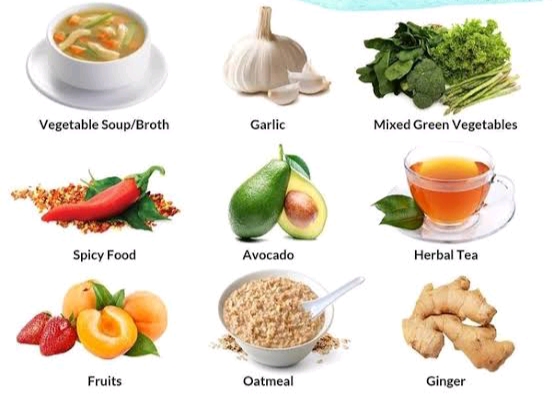
10 Best Foods That Aid in Speedy Recovery for the Ill

When you or a loved one falls ill, consuming nutritious food becomes crucial to help accelerate the recovery process. Certain foods possess healing properties that can boost the immune system, reduce inflammation, and provide vital nutrients to aid in the healing process. In this article, we will discuss the ten best foods that can help sick individuals recover faster.

1. Chicken Soup:
Chicken soup has long been regarded as a comfort food when feeling under the weather. Packed with nutrients, vitamins, and minerals, it boosts hydration and helps clear nasal congestion, making it beneficial for both colds and flu.

2. Citrus Fruits:
Vitamin C-rich fruits like oranges, lemons, and grapefruits are excellent choices to boost the immune system. They aid in preventing and fighting infections and provide hydration due to their high water content.

3. Ginger:
Ginger possesses immune-boosting and anti-inflammatory properties. It can aid in soothing sore throats, reducing nausea, and alleviating digestive issues. Ginger tea or adding ginger to meals can provide relief.

4. Yogurt:
Probiotic-rich foods like yogurt enhance the growth of beneficial gut bacteria, which is essential for a strong immune system. Moreover, yogurt aids in reducing antibiotic-associated diarrhea and supports gastrointestinal health.

5. Leafy Greens:
Leafy greens such as spinach, kale, and broccoli are packed with vitamins, minerals, and antioxidants that aid in strengthening the immune system. They also contain fiber, aiding in digestion and overall well-being.

6. Garlic:
Garlic has antimicrobial and immune-boosting properties, making it an excellent addition to meals for sick individuals. It helps fight infections, reduces cold symptoms, and improves overall cardiovascular health.

7. Oats and Whole Grains:
During illness, energy levels can be low. Oats and whole grains provide sustained energy due to their complex carbohydrates. They are also rich in fiber and essential nutrients, aiding in digestion and maintaining overall health.

8. Turmeric:
Curcumin, the active ingredient in turmeric, possesses powerful anti-inflammatory and antioxidant properties. It can aid in reducing pain and inflammation, making it beneficial for various ailments, including respiratory infections.

9. Berries:
Berries such as blueberries, strawberries, and raspberries are rich in antioxidants, vitamins, and fiber. They aid in boosting the immune system, fighting inflammation, and providing hydration due to their high water content.

10. Lean Protein:
Consuming lean proteins such as chicken, fish, or tofu can help repair tissues and build antibodies, essential for a swift recovery. Protein also plays a vital role in maintaining overall strength and facilitating healing processes.

Conclusion:

When seeking a speedy recovery during illness, it is crucial to provide the body with the right nourishment. Incorporating these ten foods into your diet can help boost the immune system, reduce inflammation, and provide the essential nutrients needed for a swift recovery. Remember to consult a healthcare professional for personalized advice and dietary recommendations as per individual health conditions.

The Vital Role of Marriage and Relationships Counseling

Marriage and relationships are intricate, beautiful, and at times challenging aspects of our lives. While they can bring immense joy and fulfillment, they also require effort, understanding, and constant communication. This is where the significance of marriage and relationship counseling becomes evident. In this article, we will explore the purpose, benefits, and importance of seeking professional guidance in nurturing and restoring healthy relationships.

1. Understanding the Role and Purpose of Counseling:
Marriage and relationship counseling involves the guidance and support provided by trained professionals to couples or individuals facing challenges in their intimate relationships. The primary goal of counseling is to foster open and honest communication, rebuild trust, resolve conflicts, and improve overall relationship satisfaction.

2. Enhancing Communication Skills:
Effective communication is the cornerstone of a successful and fulfilling relationship. However, various factors such as misunderstandings, differences in communication styles, and unresolved conflicts can hinder a couple’s ability to communicate openly. Marriage and relationship counseling offers a safe space for couples to learn and develop new communication skills, ensuring that both partners are heard and understood.

3. Identifying and Addressing Issues:
Counseling provides an environment where couples can discuss their concerns, fears, and unresolved conflicts in a non-judgmental setting. A skilled therapist can help identify underlying issues that may be causing distress within the relationship. These may include trust issues, financial disagreements, cultural differences, infidelity, or lack of intimacy. By addressing these concerns, couples can work towards resolutions and move forward.

4. Rebuilding Trust:
Trust is the bedrock of any successful relationship. However, trust can be easily damaged due to infidelity, deceit, or a series of betrayals. A marriage and relationships counselor assists couples in rebuilding trust by facilitating open conversations, establishing healthy boundaries, and guiding the healing process. Through counseling, couples can learn to reestablish trust and move towards a healthier, more secure relationship.

5. Providing Tools for Relationship Maintenance:
Marriage and relationship counseling equips couples with practical tools and techniques to foster a long-lasting, healthy bond. Therapists offer guidance on conflict resolution strategies, effective communication, and how to maintain emotional and physical intimacy. These tools serve as a foundation for couples to navigate future challenges and sustain a strong and loving relationship.

6. Reducing the Stigma Surrounding Counseling:
Seeking professional help for a relationship is a courageous and proactive step towards growth and improved well-being. Unfortunately, there is still a stigma surrounding marriage and relationship counseling. By shedding light on its benefits and emphasizing its positive impact, we can encourage more individuals and couples to seek the guidance they need, without fear of judgment.

Conclusion:
Marriage and relationship counseling plays a vital role in fostering healthy and fulfilling relationships. By providing a supportive environment, effective communication tools, and guidance in addressing issues and rebuilding trust, professional therapists help couples navigate the complexities of their relationships. It is crucial to recognize the importance of seeking professional help when needed, as it can lead to a stronger, more loving, and enduring partnership.

Design a site like this with WordPress.com
Get started