Best Herbal Remedies for Hypertension and How to Use Them

Hypertension, commonly known as high blood pressure, affects millions of people worldwide, making it a prevalent health concern. While medical treatments are widely available, many individuals are seeking natural alternatives to manage their blood pressure levels. Herbal remedies have long been utilized as natural supplements to support cardiovascular health. In this article, we will explore some of the best herbal remedies for hypertension and how they can be effectively used for treatment.

1. Hawthorn:
Hawthorn is a well-regarded herbal remedy for hypertension. It contains flavonoids and antioxidants that help relax blood vessels, reducing blood pressure. To prepare a hawthorn infusion, mix one teaspoon of dried hawthorn berries in a cup of boiling water. Steep for 10-15 minutes, strain, and consume three times a day.

2. Garlic:
Garlic has been used for centuries as a natural antihypertensive agent. Its active ingredient, allicin, helps relax blood vessels, reducing systolic and diastolic blood pressure. Including raw or cooked garlic in your daily meals can provide a beneficial effect on your blood pressure levels.

3. Hibiscus:
Hibiscus tea, made from the dried petals of the plant, is known for its ability to lower blood pressure. The antioxidants present in hibiscus help lower the systolic and diastolic blood pressure by relaxing the blood vessels. Steep 2 teaspoons of dried hibiscus petals in a cup of boiling water for 10 minutes, strain, and consume three times a day to reap its benefits.

4. Cinnamon:
Cinnamon is a widely available spice that can have positive effects on blood pressure levels. Its compounds improve blood vessel dilation and have antihypertensive properties. Incorporate half a teaspoon of cinnamon powder into your daily diet, such as by adding it to oatmeal, smoothies, or yogurt.

5. Ginger:
Ginger is known for its multiple health benefits, including lowering blood pressure. It has anti-inflammatory properties that help relax blood vessels, thus reducing hypertension. You can consume ginger in various forms, such as adding grated ginger to herbal tea or including it in your cooking.

6. Olive Leaf Extract:
Olive leaf extract contains a compound called oleuropein that has shown promising effects in reducing blood pressure. Consuming olive leaf extract supplements according to the recommended dosage can assist in maintaining healthy blood pressure levels.

Conclusion:
While these herbal remedies may assist in managing blood pressure, it is important to remember that hypertension is a serious condition that requires proper medical evaluation and supervision. It is advisable to consult with a healthcare professional before starting any herbal treatment. Incorporating these herbal remedies, in conjunction with a healthy lifestyle and dietary habits, can potentially contribute to better management of hypertension.


Foods That Can Increase the Risk of Stroke when Consumed Excessively

Maintaining a balanced diet is crucial for overall health, but it is equally important to recognize that certain foods when consumed excessively, can increase the risk of stroke. A stroke occurs when the blood supply to the brain is disrupted, resulting in damage to brain cells. By being aware of the potential dangers associated with excessive consumption of certain foods, we can make informed choices for a healthier lifestyle.

1. Processed Foods:
Processed foods, such as fried snacks, sugary cereals, processed meats, and fast food meals, are typically rich in unhealthy fats, sodium, and additives. These foods can raise blood pressure levels and lead to obesity, diabetes, and high cholesterol – all risk factors for stroke. Limiting the consumption of processed foods and opting for healthier alternatives can significantly reduce stroke risk.

2. Sodium-Rich Foods:
High levels of sodium in the diet can increase blood pressure, a leading cause of strokes. Canned soups, frozen meals, processed meats, fast food, and salty snacks are common sources of excessive sodium. It is advised to understand nutritional labels, lessen the use of table salt when cooking, and opt for fresh foods to regulate sodium intake adequately.

3. Saturated and Trans Fats:
Consuming excessive quantities of saturated and trans fats can lead to an increased risk of stroke and heart disease. Saturated fats are primarily found in red meat, full-fat dairy products, butter, and coconut oil, while trans fats are often present in packaged snacks, fast foods, and baked goods. Choosing healthier fats, such as those found in nuts, avocados, and olive oil, reduces the risk of stroke.

4. Soft Drinks and Sugary Beverages:
High sugar intake, as found in soft drinks and sugary beverages, has been linked to an increased risk of stroke. These beverages are often low in nutritional value and high in calories, which can contribute to weight gain and other risk factors for stroke. Opting for water, herbal teas, or freshly squeezed juices without added sugars is a healthier choice.

5. Excessive Alcohol Consumption:
While moderate alcohol consumption may have a protective effect on the cardiovascular system, excessive alcohol intake increases the risk of stroke and other health problems. Heavy drinking can raise blood pressure and lead to obesity, both of which are risk factors for stroke. Limiting alcohol intake to moderate levels according to health guidelines is recommended.

Conclusion:
Maintaining a healthy, balanced diet is crucial in reducing the risk of stroke. By avoiding excessive consumption of processed foods, sodium, unhealthy fats, sugary beverages, and alcohol, individuals can significantly lower the risk of stroke and promote overall well-being. Prioritizing fresh fruits, vegetables, whole grains, lean proteins, and healthy fats is essential for maintaining a healthy cardiovascular system and reducing the chances of stroke occurrence.

Sexual Dissatisfaction: A Growing Threat to Relationships

Sexual satisfaction is a crucial aspect of overall relationship quality and can significantly impact the stability and longevity of partnerships. An increasing number of studies suggest that sexual dissatisfaction is causing harm to marriages, dating relationships, and even cohabitation. In this article, we will explore the detrimental effects of sexual dissatisfaction on relationships and discuss the importance of addressing this issue for the well-being of individuals and partnerships.

The Impact of Sexual Dissatisfaction:
Sexual dissatisfaction can have far-reaching consequences, leading to disconnection, frustration, and ultimately, relationship breakdown. In marriages, the lack of sexual fulfillment often contributes to emotional distance, infidelity, and an overall decline in relationship satisfaction. The discontentment can manifest in reduced intimacy and a lack of communication, which deteriorates the emotional bond between partners.

Similarly, dating relationships and cohabitation setups are not immune to the negative effects of sexual dissatisfaction. Couples who are sexually unfulfilled may experience decreased trust, increased conflict, and heightened levels of stress. Over time, this dissatisfaction can erode the foundation of the relationship, potentially leading to separations or the breakdown of cohabitation arrangements.

Contributing Factors to Sexual Dissatisfaction:
Understanding the root causes of sexual dissatisfaction is crucial for addressing the issue. Common factors that contribute to sexual discontentment include:

1. Mismatched sexual desires: When partners have divergent levels of sexual desire, it can lead to frustration and resentment. One partner may feel unfulfilled due to a lack of sexual initiation or reluctance from the other, leading to a breakdown in intimacy and satisfaction.

2. Unsatisfactory sexual techniques or performance: Communication about sexual preferences is essential for a gratifying sexual experience. A lack of openness and a failure to address sexual concerns can result in dissatisfaction, as partners may feel their needs are not adequately met.

3. Health and body image issues: Physical or mental health problems, body image concerns, or sexual dysfunction can hinder sexual satisfaction. These issues may affect an individual’s confidence, resulting in a decline in sexual desire and performance, further exacerbating discontentment within the relationship.

Addressing Sexual Dissatisfaction:
Recognizing the importance of addressing sexual dissatisfaction is the first step toward finding solutions. Open and honest communication about sexual desires, boundaries, and concerns is crucial. Partners need to feel comfortable discussing their needs, exploring new ideas, and seeking professional help if required.

Sexual satisfaction is a shared responsibility, and both partners must be proactive in finding ways to improve their sexual connection. It may involve seeking therapy, attending couple’s workshops, or even reading self-help books on the subject. Building emotional intimacy, fostering trust, and creating an environment where both partners feel safe and respected are imperative.

Conclusion:
Sexual dissatisfaction has emerged as a significant threat to the overall well-being of relationships, be it in marriages, dating, or cohabitation. Couples must understand the repercussions of unaddressed sexual discontentment and take proactive steps toward resolving it. By improving communication, fostering intimacy, and seeking support, couples can work together to rekindle sexual satisfaction and strengthen their bond, ultimately fostering healthier and happier relationships.

Pediatric Stroke: A Guide to Prevention and Treatment

What is a pediatric stroke?

Pediatric stroke is a rare condition affecting one in every 4,000 newborns and an additional 2,000 older children each year. Stroke is a type of blood vessel (cerebrovascular) disorder. Strokes can be categorized as ischemic (caused by insufficient blood flow) and hemorrhagic (caused by bleeding into the brain). When a blood vessel in the brain is injured, the brain tissue around it loses blood supply and suffers injury as well. Treatments and long-term outcomes in children are different for each type.

As with adults, without prompt and appropriate treatment, stroke in children can be life-threatening and requires immediate medical attention. Stroke is among the top 10 causes of death in children. Pediatric stroke can also cause neurologic disability, with a risk of permanent long-term cognitive and motor impairment.

IF YOU SUSPECT YOUR CHILD IS HAVING A STROKE, CALL 911 IMMEDIATELY.

What are the signs and symptoms of pediatric stroke?

Stroke in children typically begins suddenly. Symptoms may include (but are not limited to) the following:

• weakness or numbness on one side of the body

• slurred speech or difficulty with language

• trouble balancing or walking

• vision problems, such as double vision or loss of vision

• sudden lethargy or drowsiness

• seizure (unusual rhythmic movement of one or both sides of the body)

What are the risk factors for pediatric stroke?

The causes of stroke in children are different than those in adults. Risk factors include:

√ heart disease

√ problems with blood vessels supplying the brain

√ blood clotting disorders

√ sickle cell disease

Pediatric Stroke Diagnosis

When a child experiences symptoms that may indicate a stroke, a rapid and thorough evaluation by a pediatrician or neurologist is essential to initiate treatment quickly and lower the risk of long-term problems.

Imaging studies of the brain and blood vessels, such as magnetic resonance imaging (MRI) or computed tomography (CT), are essential for diagnosis.

Additional testing to find the cause of the stroke may include:

¶ catheter angiogram (a thin, flexible tube is inserted into blood vessels, contrast is injected, and X-rays are used to take pictures of the arteries and veins in the brain)

¶ Echocardiogram (an ultrasound of the heart)

¶ Blood tests for clotting disorders

Your child may need to see other specialists to help identify the cause of the stroke, including intensive care doctors, hematologists (specialists in blood disorders), neurologists, neurosurgeons, interventional radiologists, and rehabilitation doctors (rehabilitation specialists in recovering function after stroke).

Pediatric Stroke Treatment

In the early stages of a stroke, your child’s treatment centers around supporting blood flow to the brain. Treatment may be a combination of the following:

Medical therapy: Your child may receive aspirin or other blood thinners (anticoagulants) and special vitamins. Children with sickle cell disease and stroke may be treated with hydroxyurea, transfusion therapy, or both. If the stroke is causing seizures, your child may need anti-seizure medication as well.

“Clot-busting” medications used successfully in adults have not yet been approved for use in children, but they may be considered in certain situations.

Interventional neuroradiology: If your child has abnormal connections in blood vessels that feed the brain (arteriovenous malformation) or blood vessels with weakened walls that can bulge and tear (aneurysm), the doctor may place a catheter inside the affected blood vessel to help repair the abnormal area. In some situations, a catheter can be used to remove large clots in blood vessels to help restore essential blood flow to the brain. These interventional neuroradiology procedures are done with a catheter that is inserted into a blood vessel in the arm or leg and guided into the blood vessels in the brain.

Surgery: A surgical procedure may be appropriate for certain types of stroke and other cerebrovascular disorders. The type of surgery needed depends on the cause of the stroke. Surgery to remove a piece of bone (craniectomy) may be required in cases with severe brain swelling. Some other surgeries for stroke include the closure of abnormal blood vessels, removal of abnormal areas of the brain, and rerouting of blood vessels to help provide blood supply to injured areas.

Pediatric Stroke Recovery

Follow-up care is extremely important. Once your child is stabilized, your medical team will work with you to create an ongoing plan to assess your child’s function and optimize recovery.

Depending on where in the brain the stroke occurred, your child may experience difficulties with walking, seeing, speaking, or reading, sometimes with one side of the body affected more than the other. The stroke may cause a seizure disorder or have an impact on your child’s thinking or emotions.

Overall, a child’s growing brain has a better chance of recovering from a stroke than an adult’s brain. Prompt diagnosis and treatment can minimize the risk of lasting problems, and early rehabilitation can help maximize recovery.

Understanding the Reasons for Suicide in Nigeria Today and How to Prevent It

Suicide is a tragic and complex issue that affects millions of people worldwide, including Nigeria. The growing concern about this phenomenon necessitates a deeper understanding of the reasons behind suicidal behaviors. Additionally, it is crucial to explore strategies on how to address and prevent this distressing problem in our society.

Reasons for Suicide in Nigeria:
1. Mental Health Stigma: One significant factor contributing to suicide is the prevailing societal stigma surrounding mental health issues such as depression, anxiety, and bipolar disorder. Many Nigerians view these conditions as personal weaknesses rather than treatable illnesses, which often discourages individuals from seeking help.

2. Poverty and Unemployment: Nigeria faces significant economic challenges, including high levels of poverty and unemployment. These factors can lead to feelings of hopelessness, despair, and a lack of purpose, all of which can increase the risk of suicide.

3. Relationship Problems: Troubled relationships, including marital conflicts, family disputes, and social isolation, can create emotional distress and contribute to suicidal thoughts among individuals. The breakdown of support systems and lack of healthy communication exacerbate these issues.

4. Substance Abuse: Substance abuse, including drug and alcohol addiction, is often intertwined with suicidal behaviors. Substance misuse can impair judgment, exacerbate underlying mental health problems, and amplify feelings of despair.

5. Educational Pressures: In Nigeria’s highly competitive educational system, the pressure to succeed academically can become overwhelming for students. Academic stress, combined with the fear of disappointing family, can push some individuals to contemplate suicide.

Prevention and Intervention Strategies:
1. Raise Mental Health Awareness: To combat the stigma surrounding mental health, society needs to engage in education campaigns that enhance awareness, understanding, and acceptance. Creating safe spaces for individuals to openly discuss mental health issues can encourage seeking help and reduce suicidal tendencies.

2. Accessible Mental Health Services: There is an urgent need to increase the availability and accessibility of mental health services in Nigeria. This involves establishing more mental health clinics, training mental health professionals, and integrating mental health modules into primary healthcare systems.

3. Suicide Helplines and Support Groups: Establishing helplines and support groups can offer individuals in crisis a safe and confidential platform to express their emotions and seek guidance. These services should be well-publicized and easily accessible to encourage utilization.

4. Community Involvement: Communities should actively promote social cohesion and inclusivity. By organizing events, workshops, and awareness campaigns on mental health, communities can actively combat isolation and provide support systems for vulnerable individuals.

5. Government Support: The Nigerian government should prioritize mental health by allocating adequate funding and resources towards mental health services. Policies and legislation should be developed to protect the rights and well-being of individuals struggling with mental health issues.

Conclusion:
Addressing the reasons behind suicide in Nigeria requires a comprehensive and multi-sectoral approach. By increasing awareness, improving mental health services, promoting community involvement, and providing government support, individuals can receive the help they need, and society can work towards preventing tragic loss of life. It is through a collective effort that we can create a more compassionate and supportive society, where every life is valued and cherished.

7 Steps to Overcoming the Urge to Give Up and Find Your Motivation Again

1. This is a Phase.
Tough times are just a phase. They don’t last forever. Life is a cycle of highs and lows. Remember, this too shall pass. You’re in the middle of the storm now, but clear skies are ahead. Hold on.

2. You Are Stronger Than You Think.
Never underestimate your resilience.

– You’ve survived 100% of your bad days.
– Inside you, there is an inner strength.
– Your potential is greater than any problem.

Remember, you’re stronger and more capable than you believe.

3. Small Steps Count.
Progress isn’t always a leap forward. Sometimes it’s tiny, almost imperceptible steps. Each step, no matter how small, brings you closer to your goal. Celebrate every bit of progress. Slow and steady can still win the race. Keep moving forward.

4. Remember Your ‘Why’.
Think back to the reasons why you started. Reconnect with your motivation and your goals.

5. Failure is a Stepping Stone.
It’s okay to fall but it’s important to rise again. Every setback brings learning opportunities.  Remember, every great success story involves overcoming obstacles. Keep going. Your story is being written.

6. Practice Self-Care.

Self-care is essential, especially during tough times.

– Eat nutritious food
– Exercise regularly
– Get adequate sleep
– Connect with loved ones
– Engage in activities that bring joy.

It’s not selfish, it’s survival. Your well-being matters.

7. It’s Okay to Ask for Help.
Remember, you’re not alone in this journey.

– Reach out to friends, family, or professionals
– Open up about your struggles
– Seek support when you need it

Strength isn’t just about enduring in silence. It’s also knowing when to ask for help.

To my friends and readers, Fight for yourself. No matter how difficult it becomes, never let yourself give in. After some time, your spark will eventually return. You will come out happier, healthier, and wiser. We are in this together.

Five Reasons Why Heart Attacks Usually Occur In The Bathroom

Heart attacks, also known as myocardial infarctions, are life-threatening events that occur when blood flow to the heart muscle is blocked, leading to tissue damage. While heart attacks can strike anyone, at any time, it is a perplexing phenomenon that a significant number of cardiac events occur in the bathroom. According to Healthline, This article aims to explore the medical reasons behind this unusual occurrence, shedding light on the various factors that contribute to heart attacks in bathroom settings.

1. The Vicious Cycle of Stress:

The bathroom, often regarded as a private sanctuary, can harbor a unique combination of emotional and physiological triggers. Many individuals experience a surge of stress-related hormones when using the bathroom, especially during moments of privacy and relaxation. The bathroom can be a place where individuals unconsciously release tension accumulated throughout the day. Unfortunately, stress can play a significant role in triggering heart attacks, as it fuels an increase in blood pressure and heart rate, and the release of inflammatory substances that contribute to the formation of arterial plaque.

2. Exertion and Straining:

Certain bathroom activities, such as bowel movements, urination, or even preparing for a shower or bath, can inadvertently put strain on the body. These actions may lead to a sudden increase in blood pressure, which can be particularly dangerous for individuals with pre-existing cardiovascular conditions or plaque buildup in their coronary arteries. The strain exerted during these activities can cause the plaque to rupture, leading to the formation of a blood clot that can precipitate a heart attack.

3. Temperature and Blood Vessels:

The bathroom environment often undergoes significant temperature changes due to showers, baths, or utilization of hot water. These temperature fluctuations can trigger blood vessel dilation or constriction, depending on the body’s response to the external environment. Rapid dilation and constriction of blood vessels can increase the workload on the heart and potentially disrupt the balance of blood flow supply to the heart muscle. Such imbalances can precipitate a heart attack, especially in individuals with pre-existing coronary artery disease or compromised blood flow.

4. Sudden Changes in Body Position:

Transient hypotension, also known as postural or orthostatic hypotension, can occur when an individual experiences a sudden drop in blood pressure upon standing up from a sitting or lying position. In the bathroom, sudden changes in body position may be more prevalent, such as sitting on the toilet or rising from a seated position on the floor. These movements can induce a temporary reduction in blood supply to vital organs, including the heart, which in turn can trigger the onset of a heart attack.

5. Combining Risk Factors:

Several other contributing risk factors may converge in the bathroom, making it a potentially hazardous environment for those predisposed to heart-related issues. The presence of warm water, which can relax blood vessels, combined with steam and humidity, can exacerbate breathing difficulties for individuals with respiratory conditions or cardiovascular diseases. Factors such as poor lighting, slippery surfaces, and limited space may also contribute to accidents and falls, potentially putting additional stress on the cardiovascular system or causing a significant impact that triggers a heart attack.

6. Lifestyle and Individual Vulnerabilities:

Individual lifestyle choices play a significant role in heart health, and individuals who adopt unhealthy habits, such as smoking, excessive alcohol consumption, or a poor diet, may experience an increased risk of heart attacks, regardless of their location. Furthermore, individuals with pre-existing medical conditions, such as obesity, diabetes, high blood pressure, or a history of heart disease, are inherently more susceptible to heart attacks. The bathroom, as an everyday setting, is no exception to these vulnerabilities and risks.

Understanding the medical reasons behind the occurrence of heart attacks in the bathroom provides valuable insight into the complex interplay between physiological and environmental factors that contribute to this phenomenon. The combination of heightened stress levels, physical exertion, temperature fluctuations, sudden body position changes, and individual vulnerabilities creates a perfect storm that can trigger a heart attack. Recognizing the risks associated with bathroom activities is vital to adopting preventive measures and promoting heart health.

The Pros and Cons of Learning to What Causes Hearing Voices In Your Head?

The phenomenon of hearing voices inside the head, which others cannot, can be categorized as a common form of auditory hallucination. Hallucination is the perception or sensation of voices that can be heard by a person when they are awake and gives the feeling of being real.

These are nothing but illusions created by the brain. People with auditory hallucinations tend to hear sounds they are familiar with and sometimes also hear unusual noises. The sound or voice a person hears may be frightening or pleasant.

Types of voices heard
The types of voices heard can vary depending on the severity of the psychiatric condition in a person. They may include:

Voice of someone calling their name when no one is around them.

Hearing mild voices when falling asleep.

Constant occurrence of hearing voices inside the head.

The feel of hearing voices outside, but soon recognize it as that heard from inside the ears.

Thoughts of hearing other persons’ thoughts or feelings as if other people might hear your thoughts.

Scary voices that command you to attempt dangerous things or to control your behavior.

Friendly voices that direct you to do inappropriate things.

Hearing voices that are supportive and helpful.

Hearing two or more voices arguing or fighting inside the head.

It is important to recognize that not all voices are negative or as a result of mental disorder. Hearing voices is much more common than many people realize, and sometimes they have positive effects. Whilst negative voices that are affecting a person’s well-being can require treatment, this is not always the case for positive voices and some people can live with them.

Causes of voices
Many significant factors can cause hearing voices. The major factors that contribute to this condition are stress, anxiety, depression, and traumatic experiences. In some cases, there might be environmental and genetic factors that cause such hearing of voices.

The brain of the patient generates the voices and sounds, and they tend to hear both sounds simultaneously. The condition becomes severe when the patient fails to understand that they are hearing their voice.

In recent studies, researchers have analyzed the occurrence of auditory hallucinations in the human brain. The basic form of hearing is processed in the temporal lobe of the brain. This part of the brain is found inside the ears. The research concluded that a particular region of the left temporal lobe is more active in auditory hallucination compared to non-hallucinating people.

Major causes
Several possible causes may cause people to hear voices, including:

Traumatic incidents – Hearing voices might be the result of a traumatic incident that occurred in the early life of the patient while hearing one or more voices might be a result of his experiencing a disassociate disorder.

Assault or Abuse – When a person is abused or assaulted, the voice or images of the abuser come in flashes.

Sleeplessness – Lack of sleep might also cause hearing voices, though this is not experienced in daily life.
Result of Drugs – People may hear voices as a side effect of some medication or drugs. For some people, these voices can be heard when they are being relieved from certain medical courses.

Death of a loved one – This can occur when a person loses someone very close to their heart. Unable to tolerate their loss, they hallucinate about the dead person calling or speaking to them.

Voices in sleep – These voices can occur before or after sleep, as the mind is dreaming. These voices vanish when fully awake.

Auditory hallucination is a condition that presents as a symptom for people suffering from schizophrenia.

Schizophrenia
Schizophrenia is a severe chronic mental disorder and can affect a person’s feelings, thoughts, and behaviors. Schizophrenia sufferers are reported to lose touch with their real lives. Although it is not as common as other mental disorders, the symptoms can be very debilitating for those who are affected.

People with schizophrenia tend to feel things that are not present and hear voices that do not exist. The affected person often believes that his thoughts can be read and controlled by others. This kind of strange occurrence can make patients feel upset, or make the real world seem scary to them. The behavior of people with schizophrenia might be threatening or cause harm to the people around them in some cases.

Affected individuals usually think and communicate strange thoughts and ideas making it difficult for other people to continue a conversation. They can sit idly for hours without making any movements.

In schizophrenia, the voices the people hear may be internal or external. Internal voices are those that a person hears inside his mind, while external voices project as if another person is before them and is talking to them. Sometimes the sufferers talk back to the voices to stop it from recurring. However, this often makes the voices stronger and increases the frequency of occurrence of hearing voices.

There is a theory that auditory hallucinations in schizophrenia are a result of the dopamine hypothesis, changes to the levels of the dopamine and serotonin neurotransmitters which some argue is the biological basis of schizophrenia.

People with schizophrenia often find it difficult to go to work or care for themselves and depend on others for their daily living needs.

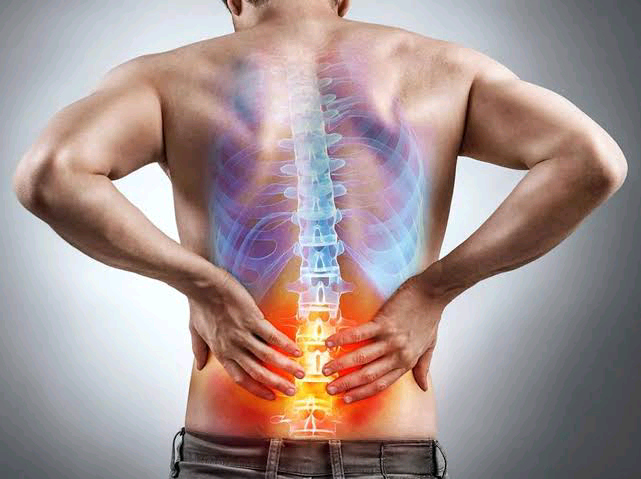
Lower Back Pain Herbal Treatment, Prevention, Symptoms, Causes, Cured

General Name: Low Back Pain
Medical Name: Lumbago

Lower Back Pain Symptoms:
Weakness
Muscle Stiffness
Pain in the lower Back
Pain may extend upwards or downwards into the leg
Numbness
Tingling
Osteoarthritis
Lower Back Pain
Pain can radiate to the hips or the Neck

Description:
Lower Backache is a pain in the Lower Back.

The back may pain anywhere, but generally Backache is referred to pain in the lower back.

Lets divide the main causes into two.

One. Pain due to a muscle spasm or a Cartilage problem. Here, herbs and remedies will definitely help and should be used. The page is devoted to such cures.

Two. Pain due to deformity in the bony structure. There may be an over growth. There may be a slip disc. The bone may have worn off. The patient must visit an Orthopedic surgeon. Herbs can only supplement the treatment.

Anything can cause a backache. Anything! It could be anything from an emotional showdown to an actual injury. It is impossible to list all the causes. Some of the more common ones are given below.

Causes of Lower Backache:
•Trauma
•Tumors
•Anxiety
•Obesity
•Old Age
•Smoking
•Arthritis
•Injuries
•High Heels
•Depression
•Pregnancy
•Infections
•Osteoporosis
•Menstruation
•Medications
•Poor Posture
•Muscle Strain
•Muscle Spasms
•Sedentary Jobs
•Emotional Stress
•Lack of Exercise
•Strain in Muscles
•Premenstrual Syndrome
•Poor Blood Circulation
•Deficiency of Nutrients
•Nutritional Deficiencies
•Sleeping in a bad posture
•Impaired Liver Functions
•Kidney Functions Impaired
•Structure of the Lower Back
•Untended Psychological Issues
•Problems with the Spinal Cord
•Sexual Excess or Hypersexuality
•Physical stress to the lower back
•Accelerated degeneration of the spine
•An injury to the Spinal Cord or the
Pain related with Cold or damp weather

Chronic Low Back Ache. Chronic sub acute low back pain may persist for a long time. If no apparent cause can be ascribed to it, look for raised levels of High Sensitivity C-reactive protein (hsCRP). A simple blood test is required. More than 3 mg/L may be indicative of inflammation. Inflammation suggests an impairment of the Lymph system. Lymphatic derangement may be a consequence of low immunity. Treatment should therefore target both, Lymphatic inflammation and the immune system.

If not treated properly, Lower Backache may cause:
Arthritis

7 Essential Advice for Individuals with One Kidney

Living with a single kidney can be a unique and challenging experience. Whether you were born with one kidney or have undergone a kidney donation surgery, it is crucial to take certain precautions to maintain your overall health. This article aims to provide practical advice for individuals with one kidney to help them lead healthy and fulfilling lives.

1. Follow a Balanced and Healthy Diet:
A well-balanced diet is essential for anyone, but it becomes even more crucial for individuals with one kidney. Focus on consuming a variety of nutrient-rich foods, including fresh fruits, vegetables, lean proteins, whole grains, and low-fat dairy products. Limit your intake of processed foods, refined sugars, and unhealthy fats. Staying hydrated by drinking plenty of water is also vital to maintain kidney function.

2. Monitor Blood Pressure Regularly:
Maintaining a healthy blood pressure level is crucial when you have only one kidney. High blood pressure can put additional strain on the kidney, potentially leading to further complications. Regularly monitor your blood pressure and consult your healthcare provider to ensure it remains within a healthy range. Adopting a low-sodium diet, engaging in regular exercise, and managing stress can all help control blood pressure levels.

3. Stay Active and Exercise:
Participating in regular physical activity helps manage weight, improves overall cardiovascular health, and enhances overall well-being. Consult with your doctor to determine suitable exercises that align with your specific health condition. Activities such as walking, swimming, cycling, or yoga can contribute to your overall fitness. Remember to start slowly and gradually increase your activity levels.

4. Be Mindful of Medications:
Inform all healthcare providers that you have only one kidney to ensure they prescribe medications accordingly. Some medications require dosage adjustments for individuals with kidney impairment. Always consult a healthcare professional before taking any over-the-counter medications to avoid any potential harm to your kidney.

5. Avoid Nephrotoxic Substances:
Certain substances can potentially harm your kidney, especially when you have only one. It is important to avoid or limit the use of nephrotoxic substances such as nonsteroidal anti-inflammatory drugs (NSAIDs), certain antibiotics, and excessive amounts of alcohol. Consult your doctor before taking any new medications or supplements.

6. Regular Kidney Function Monitoring:
Regular monitoring of kidney function is crucial to detect any potential issues early on. Your doctor may recommend specific blood tests such as serum creatinine and glomerular filtration rate (GFR) to assess your kidney function. Following these recommendations will enable your healthcare provider to identify and manage any problems effectively.

7. Maintain a Healthy Weight:
Excess weight can put unnecessary strain on your kidney. Adopting a healthy lifestyle that includes a balanced diet and regular exercise will help manage your weight effectively. Consult with a registered dietitian or healthcare provider for personalized guidance on reaching and maintaining a healthy weight.

Conclusion:
Living with one kidney requires extra attention and care to maintain optimal health. By following a balanced diet, monitoring blood pressure, engaging in regular physical activity, staying mindful of medications and nephrotoxic substances, monitoring kidney function, and maintaining a healthy weight, individuals with one kidney can minimize the risk of developing complications and lead fulfilling lives. However, it is essential to consult with your healthcare provider for personalized advice based on your specific needs.

Design a site like this with WordPress.com
Get started