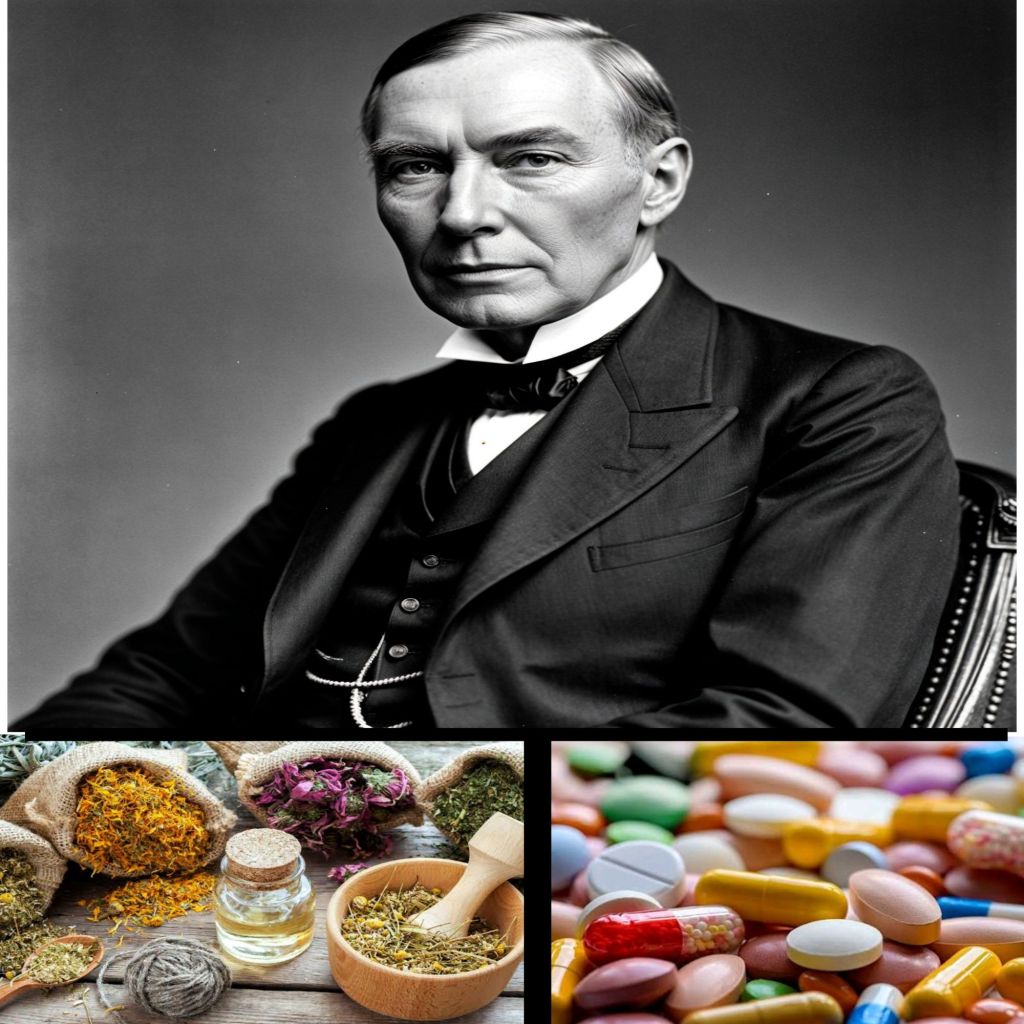
In the labyrinth of pharmaceutical history, few stories are as intriguing—or as misunderstood—as the claim that a single oil tycoon invented synthetic drugs to profit from petroleum byproducts, condemned herbal medicine, and secretly relied on homeopathy for his own health.
This popular narrative, often linked to John D. Rockefeller, suggests that he turned unused oil materials into medicines, used his power to suppress natural healing, and promoted synthetic drugs to the public. But how much of this story is grounded in fact, and how much is modern myth? Let’s separate history from speculation.
—
🌿 The Birth of Synthetic Drugs
Synthetic drugs are man-made chemical compounds designed to mimic or enhance natural substances. Their emergence transformed medicine by making treatments more potent, stable, and mass-produced.
The first true synthetic drug was acetylsalicylic acid (aspirin), created in 1897 by Felix Hoffmann, a chemist at Bayer. This marked the beginning of modern pharmaceutical chemistry—long before Rockefeller’s influence on medicine became significant.
—
🛢️ The Oil Industry and Pharmaceuticals
The myth’s central claim is that Rockefeller used unused oil byproducts to create synthetic drugs. Historically, there is a kernel of truth here: petrochemicals—chemicals derived from crude oil, such as benzene and toluene—eventually became building blocks for many pharmaceuticals, dyes, and plastics.
However, this is not the same as “turning leftover oil into drugs.” Creating pharmaceuticals involves complex organic chemistry, not simple repurposing of oil waste. Rockefeller himself was not a chemist or inventor. His role was financial and strategic, not scientific.
—
🏫 The Flexner Report and the Decline of Herbal Medicine
Where Rockefeller’s influence was truly felt was in medical education, not in the laboratory. In 1910, the Flexner Report, funded by the Carnegie Foundation and supported by Rockefeller interests, evaluated U.S. medical schools.
The report led to a sweeping reform of medical education, emphasizing biomedical science and standardized practices. As a result, many schools teaching homeopathy, naturopathy, and herbal medicine lost funding or closed.
This historical shift is often exaggerated into a conspiracy that Rockefeller “banned herbal medicine.” In reality, the changes favored biomedicine and marginalized alternative approaches—but herbal medicine was not outlawed.
—
🧍 Rockefeller’s Personal Use of Homeopathy
Adding to the confusion is the claim that Rockefeller used homeopathy for his family while promoting synthetic drugs to the public. This part contains a sliver of truth: Rockefeller lived to age 97 and reportedly consulted homeopathic doctors later in life.
However, this was a personal health choice, not an official policy. He also funded biomedical research extensively. The contradiction between public funding of modern medicine and private alternative use has helped fuel the myth.
—
🔬 Real Pioneers of Synthetic Medicine
To understand the real origins of synthetic drugs, we must look to chemists and scientists, not oil tycoons:
🧪 Felix Hoffmann (Bayer): Synthesized aspirin in 1897.
🧬 Alexander Fleming: Discovered penicillin in 1928, which later inspired synthetic antibiotics.
🧠 Countless organic chemists in the early 20th century built pharmaceutical compounds using advanced petrochemical chemistry—not crude oil waste.
None of these figures were oil magnates, nor did they publicly condemn herbal medicine.
—
🧠 The Truth Behind the Myth
The Rockefeller story endures because it blends real historical events with speculative claims:
Element of the Story What’s True What’s False or Exaggerated
Oil used in medicine Petrochemicals became chemical building blocks Drugs weren’t made by “recycling oil waste” Rockefeller’s role Funded medical education reforms He didn’t invent synthetic drugs.
Herbal medicine suppression Herbal schools lost prominence after Flexner Report Herbal medicine wasn’t “banned” Personal homeopathy use Rockefeller reportedly used homeopathy personally There’s no conspiracy behind it.
—
✅ Conclusion
The story of Rockefeller inventing synthetic drugs to destroy herbal medicine is a modern myth built around fragments of historical truth. Synthetic drugs were pioneered by chemists like Felix Hoffmann, not oil tycoons. While petrochemicals played a role as raw materials, they weren’t a secret weapon to replace herbs overnight.
Rockefeller’s influence lay in shaping medical education, not in inventing drugs. Herbal medicine declined in mainstream institutions due to policy and educational shifts, not because it was outlawed.
Understanding these facts allows us to appreciate the real history of medicine—a complex interplay between science, industry, culture, and personal beliefs—not a single villain’s plot.
Nigeria, known for its diverse culture and vibrant landscapes, also experiences some intense heat, especially during the dry season. With rising temperatures, managing the hot weather has become a top priority for many Nigerians. Here are some successful strategies to help you thrive in the heat, ensuring both comfort and safety.
**Stay Hydrated**
One of the most crucial aspects of managing hot weather is maintaining proper hydration. The heat can lead to dehydration, which can cause a range of health issues, from fatigue to heatstroke. It’s vital to drink plenty of water throughout the day. Carry a bottle with you and make a habit of sipping regularly. Incorporating hydrating foods into your diet, such as watermelon, cucumber, and oranges, can also help.
**Dress Appropriately**
Choosing the right clothing can significantly impact your comfort levels in the heat. Lightweight, loose-fitting clothes made from breathable fabrics like cotton can help keep your body cool. Light-colored clothing reflects sunlight, reducing heat absorption. Avoid dark colors, which can trap heat. When going outdoors, don’t forget to wear a wide-brimmed hat and UV-protective sunglasses to shield yourself from the sun.
**Find Shade and Cool Spaces**
During peak hours of the day, usually between 11 AM and 3 PM, try to limit your exposure to direct sunlight. Seek shade under trees, awnings, or umbrellas when outside. If you must be out during these times, plan your activities early in the morning or later in the evening when temperatures are generally cooler. If you have access to public spaces like malls or community centers, take advantage of their air conditioning.
**Utilize Fans and Air Conditioning**
In urban areas where electricity is more accessible, using fans and air conditioning can provide significant relief. Ceiling fans or portable ones can help circulate air, keeping rooms cooler. If you don’t have air conditioning, consider visiting places that do, such as libraries or shopping centers. For those in more rural areas, creating cross-ventilation by opening windows on opposite sides of the house can also help cool down living spaces.
**Stay Active and Plan Smart**
While physical activity is essential for overall health, it’s crucial to adjust your routine during hot weather. Engaging in strenuous exercise during the heat of the day can lead to exhaustion and heat-related illnesses. Instead, opt for morning or late evening workouts. If you’re involved in outdoor activities, take frequent breaks, and listen to your body’s signals.
**Limit Sugary and Caffeinated Beverages**
Though it might be tempting to reach for soft drinks or coffee to quench your thirst, these beverages can actually increase dehydration. Sugary drinks can also lead to energy crashes, leaving you feeling sluggish in the heat. Stick to water and natural fruit juices instead. Herbal teas can also be refreshing if consumed cold.
**Be Aware of Health Risks**
During extreme heat, it’s essential to recognize symptoms of heat exhaustion, including dizziness, heavy sweating, and rapid heartbeat. If you or someone you know shows signs of overheating, move to a cooler place immediately and drink water. If symptoms persist, seek medical attention.
**Conclusion**
With careful planning and proactive strategies, managing hot weather in Nigeria is entirely achievable. By staying hydrated, dressing suitably, finding shade, and being mindful of your activities, you can enjoy the vibrant, bustling life of Nigeria without letting the heat take a toll on your well-being. Stay cool and safe!
Cancer has become an increasingly common disease due to our artificial lifestyles and polluted environment. Malignant tumors—such as breast cancer, uterine/cervical cancer, prostate cancer, colon cancer, leukemia, and skin cancer—are rapidly spreading worldwide. It’s truly painful to witness the transformation of our world into something so troubling.
Many have been misled by the well-orchestrated educational systems that serve the interests of the powerful, manipulating the populace into perpetual ignorance for their own gain. These entities strive for a world order where people rely entirely on drug manufacturing companies, which effectively become the arbiters of life. It is alarming how society often questions everything natural while accepting artificial products without a second thought, solely because they bear the trademarks of these corporate giants.
If we can understand why animals in the wild hardly suffer from cancer and other diseases that afflict humans and domesticated pets, we may begin to uncover the path to our own salvation.
**Medical Science and Pharmaceutical Companies: A Complicit Relationship**
We are victims of a disturbing reality. The world is governed by forces of evil across various domains, including religion. Most scientific releases are sponsored with motives that prioritize profit over health. May we find guidance from a higher power in these trying times!
I pray for my people to regain the wisdom of our ancestors.
God has provided natural remedies capable of healing and protecting us. Our ancestors thrived for centuries in harsh conditions because they adhered to natural laws set by their Creator. Remember, obedience to these laws often yields better results than any sacrifices made by ignoring them.
Our parents relied on natural foods and simple medicinal recipes without scientific intervention. They walked long distances, drank fresh spring water (not mineral or chlorinated), and maintained their health through natural means, like using twigs for brushing their teeth. They engaged in physical activity, embraced sunlight, and breathed fresh air, free from today’s harmful electromagnetic pollution. As a result, they enjoyed robust health and natural immunity against diseases.
**A Shift in Our Bodies**
Today, instead of our blood and bodily fluids serving as natural germicides to combat diseases, they have become nourishment for these harmful agents. The body reacts to the ‘dirty’ soil we walk upon more positively than to the artificial foods we consume in the name of nutrition.
The wise will heed this message.
**Cancer Treatment Recipe**
Here is a recipe that has been used for a long time to assist in cancer treatment:
**Components:**
– 1 medium-sized aloe vera leaf – 1 tablespoon of ground turmeric (yellow ginger) – 1 tablespoon of ground ginger – 1 pineapple – 1 soursop
**Preparation:**
1. Clean the aloe vera and remove the small thorns, leaving the skin intact. 2. Wash the turmeric and ginger, keeping their thin skins. 3. Wash the pineapple and remove the skin. 4. Wash the soursop and remove its skin.
Combine all the ingredients in a blender and blend until the mixture is smooth and drinkable.
**Usage:**
Drink an average cup or glass first thing in the morning and another in the evening, two hours before dinner. Continue this for several months and schedule check-ups to witness the results.
**Lifestyle Change Required:**
Remember, you can’t expect to be clean while bathing and simultaneously covering yourself in mud. The same principle applies here: you must change your lifestyle during this treatment. You cannot effectively treat a disease while maintaining the lifestyle that contributed to its onset. Change must happen for you to experience positive results in your life.
**Medical Disclaimer**
This content is for informational and educational purposes only. It is not intended to provide medical advice or serve as a substitute for advice or treatment from a personal physician. All readers and viewers of this content are encouraged to consult their doctors or qualified health professionals regarding specific health questions. Neither Tashbaan Herbal Healthcare nor the publisher of this content assumes responsibility for any health consequences resulting from the information presented here. All readers, especially those taking prescription or over-the-counter medications, should consult their physicians before starting any nutrition, supplement, or lifestyle program.
The antioxidants in green tea may offer benefits, such as protecting your bone, brain, and heart health.
Green tea, a source of antioxidants and caffeine, has several possible benefits. Research has found that the health benefits of green tea may include alleviating anxiety and stress, enhancing memory, and reducing high blood pressure and cholesterol.
There are several types of green tea, including beverages, dietary supplements, and even topical ointments. Keep reading to learn about green tea’s possible benefits, risks, and tips for incorporating it into your diet.
1. Alleviates Anxiety and Stress
Tea contains an amino acid called L-theanine, which alleviates anxiety and stress, helping you relax.5 Green tea has one of the highest concentrations of L-theanine compared to black, oolong, and white tea.1
Research has found that supplementing 200–400 milligrams of L-theanine daily helps reduce anxiety and stress. A study published in 2019 found that people who took 200 milligrams a day of L-theanine for four weeks had greater improvements in anxiety, depression, and sleep than those who took a placebo.
Of note: The amount of L-theanine used in the study is much more than that in a cup of green tea, which ranges from eight to 30 milligrams. Talk to a healthcare provider or pharmacist before starting supplements containing this amount of L-theanine.
2. Helps Protect Against Cognitive Decline
Some evidence suggests that drinking green tea helps protect against certain neurodegenerative diseases, like Alzheimer’s and Parkinson’s. Green tea has a high concentration of antioxidants, which may protect against cell damage that raises the risk of chronic illnesses.
Cognitive decline is one of the first noticeable symptoms of Alzheimer’s disease and related forms of dementia. Cognitive decline involves frequent, worsening instances of confusion and memory loss.
3. Helps Support Bone Health
Green tea may lower your risk of osteoporosis, a bone disease that increases the risk of hip, spine, and wrist fractures. Postmenopausal people have the highest risk of osteoporosis. Some evidence suggests that the high concentration of antioxidants in green tea may enhance bone formation and protection against bone mass loss.
4. Improves Longevity
Drinking green tea may help support living a healthy, long life. Green tea is a source of polyphenols, or plant compounds that act as antioxidants.
Research has found that polyphenols have anti-aging effects, such as:
•Decreasing inflammation
•Minimizing oxidative stress, or cell damage caused by harmful substances that may increase the risk of disease
•Reducing signs of aging
5. Lowers Cholesterol
A review published in 2020 found that consuming green tea helps lower LDL (“bad”) and total cholesterol. Nearly two in five adults in the United States have high cholesterol levels, which raises the risk of heart attack and stroke.
6. May Enhance Memory
Research has found that the L-theanine content in green tea may improve memory. A study published in 2014 found that green tea extract improved working memory among 12 healthy volunteers.
Working memory is a type of short-term memory necessary for cognitive functions like:
•Comprehension
•Planning
•Problem-solving
•Reasoning
In the 2014 study, researchers gave the volunteers a milk-based drink that contained either 27.5 milligrams of green tea extract or a placebo. The volunteers then completed certain tasks while an MRI tracked their brain activity.
Those who consumed the green tea extract had improved working memory, brain connectivity—how well different areas of the brain work together—and task performance. The study used a small sample of patients, so the results are not definitive. More research is needed to understand how green tea impacts memory.
7. May Manage and Prevent Type 2 Diabetes
Green tea may manage and prevent type 2 diabetes. Some evidence suggests that the antioxidants in green tea may reduce insulin resistance.
Insulin resistance causes your cells to be less receptive to insulin than usual. Insulin is a hormone that helps your cells convert sugar into energy. Insulin resistance is a major risk factor for type 2 diabetes.
8. Might Lower Stroke Risk
Stroke is one of the leading causes of death and disability among adults in the United States. Research has found that drinking green tea may be one way to help prevent your risk of stroke.
A study published in 2023 found that consuming moderate amounts of green tea, or about 17–34 ounces, daily may reduce your stroke risk by at least 21%.20 It’s unclear why green tea lowers stroke risk. Some experts suspect that the lifestyle habits of green tea drinkers, such as eating a balanced diet, may influence stroke risk.
9. Might Support Weight Loss
Some evidence suggests that green tea may help you lose weight. Green tea is a source of catechins, an antioxidant that helps break down fat. Catechins may increase your metabolic rate, which helps you burn more calories, such as while exercising.
Most available research has only looked at green tea extract rather than steeped tea. Even so, green tea extract may have minimal effects on weight loss. Experts advise eating a balanced diet and regularly exercising to help you lose weight. Excess weight may increase your risk of chronic illnesses like heart disease and type 2 diabetes.
10. Reduces Blood Pressure
Green tea may protect heart health by lowering blood pressure. Research has found that drinking green tea reduces blood pressure significantly, particularly in people with a high risk of heart disease.
High blood pressure is one of the leading causes of heart disease and stroke because it damages the lining of the arteries, which increases the risk of plaque buildup. As a result, the arteries narrow, restricting blood flow to the heart and brain.
Research has found that green tea may lower blood pressure due to its high antioxidant content. Those antioxidants help decrease inflammation and dilate your blood vessels, which supports healthy blood flow.
Nutrition of Green Tea Eight brewed ounces of green tea contain the following nutrients:
•Calories: 2.37
•Fat: 0g
•Sodium: 2.37mg
•Carbohydrates: 0g
•Fiber: 0g
•Added sugars: 0g
•Protein: 0.52g
Green tea is not a significant source of calories or nutrients per cup. Still, green tea contains various antioxidants and small amounts of 27 minerals. Some of the trace amounts of minerals in green tea include:
•Magnesium: Helps control blood sugar
•Potassium: Helps keep you hydrated
•Selenium: Supports your immune system
Small amounts of those minerals can add up, depending on your daily green tea intake.
Risks of Green Tea
Consuming up to eight cups of green tea daily is safe. One eight-ounce cup of green tea contains 30–50 milligrams of caffeine. The Food and Drug Administration warns against consuming over 400 milligrams of caffeine daily. Some people may be more sensitive to caffeine than others.
Consuming too much caffeine may cause side effects like:
•Anxiety
•Feeling jittery
•Feeling unhappy
•Headache
•Insomnia, or trouble falling and staying asleep
•Nausea
•Rapid heart rate
•Upset stomach
Talk to a healthcare provider if you are pregnant or breastfeeding. They may advise drinking less than 300 milligrams of caffeine. Too much green tea may raise the risk of birth defects, and caffeine may pass through breast milk.
High doses of green tea may interact with certain medications, including those that treat heart problems and high blood pressure. Although rare, research has linked liver problems to tea products, especially green tea extract.
Tips for Consuming Green Tea
Whether you sip your green tea iced or hot, here are a few tips to keep in mind:
Be mindful of your sweetener: The American Heart Association (AHA) advises that females consume no more than six teaspoons of added sugars per day, while males consume no more than nine teaspoons. Consuming too many added sugars may cause heart disease, type 2 diabetes, and weight gain.
Consider buying naturally decaffeinated green tea: The caffeine in green tea may cause anxiety and quicken your heart rate. Note that removing the caffeine from green tea may lower its antioxidant content.
Get creative: You can enjoy green tea on its own or use it in oatmeal and smoothies or for boiling rice and steaming vegetables.
When Is the Best Time To Drink Green Tea?
The caffeine in green tea is a stimulant, increasing alertness and keeping you awake. You may drink a cup of green tea in the morning as a substitute for coffee for an energy boost. In contrast, caffeine generally stays in your body for up to six hours, so avoid green tea too close to bedtime.
Consider pairing a cup of green tea with food. Caffeine increases the amount of acid in your stomach, which may cause an upset stomach and heartburn.
Types There are several types of green tea, including:
•Beverages (e.g., bottled drinks, decaf options, and tea powders)
•Dietary supplements (i.e., green tea extract)
•Topical ointments, such as Veregren (sinecatechins), which treats genital warts
One of the most common types of green tea is Sencha, typically made in Japan. Sencha includes Bancha and Matcha. Bencha has less caffeine and L-theanine, while Matcha has the highest amounts.
A Quick Review
Green tea is a staple in many cultures and may offer essential benefits, like protecting your bone, brain, and heart health. Even so, green tea may be risky for people with caffeine sensitivity or who take certain medications.
Ask a healthcare provider or dietitian for guidance about how green tea may impact your health goals if you do not currently drink it and are unsure if it’s right for you.
FREQUENTLY ASKED QUESTIONS
1. What happens if I drink green tea every day?
You may be able to reap the possible benefits of green tea by consuming it daily. Other factors like eating a balanced diet, getting enough sleep, managing stress, and regularly exercising are essential to good health. Ensure that you are practicing healthy lifestyle changes in addition to drinking green tea daily.
2. How much green tea should I drink a day?
It’s safe to drink eight cups of green tea daily. Each eight-ounce cup of green tea has about 30–50 milligrams of caffeine. The Food and Drug Administration advises not drinking more than 400 milligrams of caffeine daily. Green tea products may add caffeine during manufacturing and only list the amount added.
3. How can I get the most benefit from green tea?
There’s not enough evidence about the optimal amount of green tea to reap the most benefits.
Manufacturing typically destroys antioxidants. As a result, bottled green tea drinks, decaf green tea, and green tea powders may lack antioxidants. Instead, try limiting the amount of added sugars, like honey and stevia, and steeping your green tea at home to get the most benefits.
If you find this article post useful for you, Please comment, subscribe, like, and share with your family and friends on social media, and don’t hesitate to ask for any topic you are looking for free.
While discussions around fertility often focus on Women, Men’s role in Conception is equally crucial. Sperm health is a key factor, yet many are unaware of the everyday habits that could be causing damage to it. Understanding these factors is crucial for men who are concerned about their reproductive health and fertility.
Below are 10 ways Men could be damaging their sperm ignorantly.
(1) SMOKING
Tobacco contains harmful chemicals that can damage sperm DNA, reduce sperm count, and impair sperm motility, making it harder for sperm to reach and fertilize an egg.
(2) ALCOHOL
Excessive alcohol consumption can disrupt hormone levels, lower testosterone production, and lead to oxidative stress, all of which can negatively impact sperm quality and fertility.
(3) HEAT
The testicles are located outside the body because sperm production requires a slightly lower temperature than the body’s core. Prolonged exposure to heat, such as from hot baths, saunas, or even laptops placed on the lap, can raise scrotal temperature and decrease sperm production.
(4) TIGHT CLOTHING
Wearing tight underwear or pants can increase scrotal temperature, which can negatively affect sperm production and quality. Opting for loose-fitting clothing can help maintain a cooler temperature in the scrotum, which is optimal for sperm production.
(5) STRESS
Chronic stress can elevate levels of cortisol, a stress hormone, which may interfere with testosterone production and sperm quality. Stress management techniques like meditation or exercise can help prevent its effects.
(6) OVER-THE-COUNTER SUPPLEMENTS
Some over-the-counter supplements marketed as “male enhancement” or “testosterone boosters” may contain ingredients that have not been adequately studied for safety and efficacy.
It is very important to be cautious when using such supplements, as they may have unknown effects on sperm health and fertility.
(7) POOR DIET
A diet lacking essential nutrients such as antioxidants, vitamins, and minerals can contribute to oxidative stress and inflammation, which can damage sperm DNA and reduce sperm motility.
(8) LACK OF EXERCISE
Regular physical activity is essential for maintaining overall health, including reproductive health.
A sedentary lifestyle and lack of exercise can contribute to obesity, insulin resistance, and hormonal imbalances, all of which can negatively impact sperm production.
(9) DRUG USE
Habitual use of drugs like marijuana, cocaine, and anabolic steroids can disrupt hormone levels, decrease sperm production, and impair sperm motility and morphology.
(10) SEXUALLY TRANSMITTED INFECTIONS (STIS)
Infections such as chlamydia, gonorrhea, and others can lead to inflammation and scarring in the reproductive tract, which can affect sperm production and motility.
The use of warm water first thing in the morning has been shown to have several favorable health effects on the body. To begin, taking into consideration that water makes up around 70 percent of the human body, it is extremely necessary to have a continuous level of hydration to keep the body working normally. The following is a rundown of the top 13 health benefits that can be reaped from consuming a glass of water first thing in the morning.
1. Aids in preventing the onset of constipation
To avoid discomfort, bloating, and stomach pain, it is vital to have regular intestinal movement. Drinking warm water is a wonderful approach to ‘wash’ the body from the inside out, as recommended by Dr. Rupali Datta. As a direct result of this, constipation is prevented, and normal bowel movement is restored.
2. Contributes to a glowing appearance of the skin
Drinking warm water raises your core temperature, which helps your body get rid of toxins by speeding up its metabolic processes. This detoxification is fantastic for brightening the skin and preventing the pores from becoming congested.
3. Stimulates hunger
According to Anju Sood, a nutritionist based in Bengaluru, the following is an explanation of what happens when you drink warm water: “Your body will have to make more effort to bring its temperature back down to normal if you drink warm water.” This sets in motion the first steps of the process that we refer to as metabolism. This further stimulates the mind’s need for food, which ultimately results in a rise in one’s level of hunger.
4. Aids digestion
Drinking warm water first thing in the morning is advantageous, as it is said to stimulate the processes of the liver and kidneys, according to Dr. Sood. If you ask a dietician whose organ in the body is the most essential, she will invariably answer the liver. This is because the liver is the organ through which all metabolic processes are carried out. Warm water contributes to the process of breaking down the components of meals, which in turn makes the process of digestion simpler.
5. It assists in reducing the amount of congestion in the airways.
Even though the advice to avoid cold water when you have a sore throat may be nothing more than an old wives’ tale from India (many other parts of the world do not even recognize this concept), it is indisputable that drinking warm water helps clear out congestion and soothes an aching throat. In addition to this, the water helps to prevent phlegm from accumulating in the chest.
6. A remedy for the annoyance and agony that menstrual cramps cause
Cramps associated with menstruation can, in some people, be quite excruciating. Did you know that drinking warm water can also be useful for easing period discomfort? Your go-to approach for relieving period discomfort probably involves applying heat to your stomach with a warm water bottle, but did you know that drinking warm water can also help? Drinking warm water is associated with an increase in blood circulation, which is one of the mechanisms that contributes to pain relief, as suggested by several studies.
7. Postpones the emergence of signs of premature aging
Consuming warm water can assist the body in purging itself of toxins by raising sweating, promoting movement of the bowels, and opening up pores that may be congested. The buildup of toxins in the body has been linked to premature aging in a way that is direct and causal.
8. Getting rid of those extra pounds
It’s been suggested that starting your day off with a glass of hot water will assist your digestive system get ready for the rest of the day, which may also contribute to weight loss. It does this by contracting the bowels, which clean the intestines thoroughly, prevent bloating from forming, and grind them of excess water weight. In addition to this, it increases the temperature at the center of the body, which causes the body to have to consume more energy to return to its normal state after the temperature has been raised. The use of this much energy contributes to an increase in metabolism
9. Stuffiness and congestion in the nose
A pilot study was carried out to assess whether or not eating chicken soup helped clear up nasal congestion. They found that consuming hot water increased nasal mucus velocity almost as much as eating chicken soup did and that both were much more effective than drinking cold water. The purpose of the study was to evaluate the efficacy of chicken soup in alleviating nasal congestion. It is important to take into account that the effects stopped happening during the first half an hour.
10. The Continuity of Blood Flow
Consuming something hot, like a cup of hot water, has the same effect on the circulation of blood through the veins and arteries that having a warm bath does. Increased blood flow efficiency may result in a reduction in the risk of developing cardiovascular disease as well as an improvement in the patient’s blood pressure.
11. The condition of the patient’s teeth
Consuming hot water has been shown to improve the health of a person’s teeth. If dental filling materials are exposed to cold water, the materials can constrict and break off. This would result in the ruin of any dental treatment that has been completed. In addition, many dental experts recommend that when you brush your teeth, you use warm water rather than cold water.
12. Mood
Even though this was not the primary focus of the researchers’ analysis, they found that drinking hot water was likely one component that led to the participants’ increased mood. This was identified even though this was not the primary focus of the researchers’ investigation.
13. Carcinogens
Consuming hot water not only causes your body temperature to increase, but it also activates your endocrine system. This can be a beneficial effect. The production of sweat and the release of toxins through the pores of the skin are also repercussions of this effect.
Many people would agree that alligator pepper doesn’t taste good when consumed raw. But, if you can consume it, alligator pepper sure has many health benefits for the body
Key takeaways:
Health benefits of alligator pepper include having antimicrobial properties, being useful for treating wounds, pain relief benefits, and reducing inflammation. Consuming alligator pepper and ginger may also have other added benefits, such as supporting weight management and relieving gastrointestinal issues like bloating and indigestion.
Alligator pepper may not be safe for pregnant or lactating mothers and should not be taken in place of medication.
Despite the touted health benefits of alligator, it is always best to check in with a doctor before taking alligator pepper, especially for therapeutic purposes, to be sure it is safe for you.
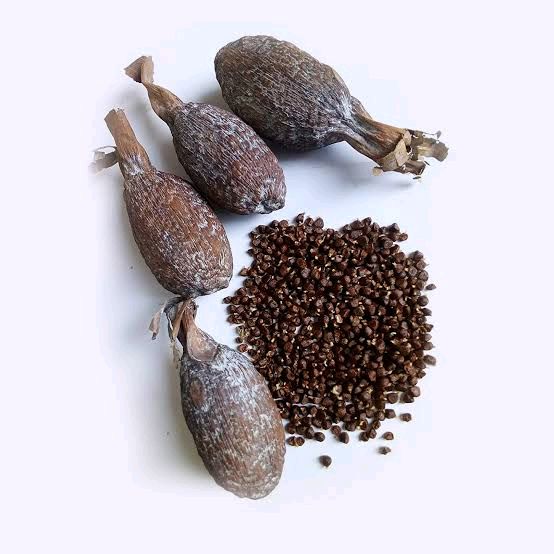
People living in tropical parts of the world, like Nigeria and Ghana, are more familiar with alligator pepper (also called guinea pepper or grains of paradise). Its botanical name is Aframomum danielli.
Alligator pepper is native to West Africa and is a member of the ginger family. It has native names in places like Ghana, where it is predominant. For instance, the Twi name for alligator pepper is Efom Wisa or Efom Wisain. Other common local names for it are mbongo spice, hepper pepper, Afrika kakulesi, ginny pepper, and guinea pepper.
The fruits, leaves, and seeds of alligator pepper serve as flavoring agents for traditional foods and for performing traditional rites. Alligator pepper has been linked to numerous health benefits. Some people use it for treating health conditions like diabetes. A 2016 study indicated that it might help treat hypertension, hyperlipidemia, and hypercholesterolemia.
So far, studies have not linked alligator pepper to significant side effects. Still, pregnant and lactating mothers are advised against taking it unless their healthcare providers say otherwise.
10 health benefits of alligator The health benefits of alligator pepper include:
1. Has high antioxidant properties One of the greatest health benefits of alligator pepper is its antioxidant properties. The polyphenol content of alligator pepper has been shown to have effective antioxidant properties. Antioxidants protect the body against damage caused by free radicals (unstable molecules that attack important macromolecules in the body, resulting in cell damage and balance disruption).
Antioxidants protect the body by preventing the formation of radicals, scavenging them, or promoting their decomposition.
2. Used in the treatment of wounds Another possible health benefit of alligator pepper is the treatment of wounds. Research done using experimental animals showed that the extracts of alligator pepper can promote wound healing.
The experiment showed that alligator pepper can help in the formation of new tissues in the area affected by injury.
3. Used in treating gastrointestinal disorders Alligator pepper may be useful in treating gastrointestinal problems like stomach aches and diarrhea. This is an important health benefit of alligator pepper.
Some people prefer to chew alligator pepper hot and spicy to help with gastrointestinal problems. Consuming the seed may also help treat bloating, constipation, ulcers, and intestinal worms.
4. Has antimicrobial properties Another important health benefit of alligator pepper is that it has antibacterial and antimicrobial properties. Alligator pepper has phenolic compounds, which means they may be useful in inhibiting bacterial growth.
Studies have shown that alligator pepper has antimicrobial properties. Scientists found that it stopped bacteria like Salmonella typhi, Klebsiella pneumonia, and Staphylococcus aureus from growing.
5. Helps improve sexual function Alligator pepper has been used in traditional medicine to improve sexual function. Some people take it for increased libido. This is one of the known possible alligator pepper health benefits.
However, more studies need to be carried out to ascertain how it acts to improve sexual function.
6. Used as a remedy for skin diseases One important health benefit of alligator pepper worth mentioning is that it may also be useful in dermatological care. A study showed that Alligator pepper had been used in traditional medicine to treat viral infections like chickenpox, measles, and smallpox that cause skin rashes.
7. Reduces blood sugar You may reap the health benefits of alligator pepper if you have been diagnosed with diabetes, as the plant may be helpful for people with this condition. This is one of the health benefits you may get from consuming alligator pepper.
According to a 2011 research that studied the effect of alligator pepper on blood sugar levels of male rats induced with diabetes, blood glucose levels were reduced significantly in the groups that received alligator pepper leaf extracts.
8. Serves as a pain reliever One of the health benefits of alligator pepper is that it helps relieve pain for some people. A study suggests that the aqueous seed extracts of alligator pepper have peripheral analgesic activity. Analgesics are drugs that serve as pain relievers.
Studies show that alligator pepper has a property that makes it work as an analgesic. This means that it may help relieve pain from injuries, headaches, or other health problems. They can also relieve joint pain and pain due to health conditions like arthritis.
9. Has anti-inflammatory properties Inflammation is not entirely bad. It is the body’s natural way of healing and fighting off infection. However, when it becomes long-lasting (chronic), it can turn into a silent killer that contributes to a long list of disorders, such as internal scarring, diabetes, cancer, asthma, and atherosclerosis.
Over the years, people have used different plants to treat or prevent chronic inflammation. One such plant is the alligator pepper. One of the health benefits of alligator pepper that has made people continue to consume the plant is its anti-inflammatory properties.
Alligator peppers contain gingerol, a phenolic compound also found in ginger.7 Studies indicate that gingerol has antioxidant, anti-microbial, and anti-inflammatory effects.8
10. Promotes strong digestive functions Some people who have used alligator pepper claim that it helps in the easy digestion of food and prevents bloating. This is one of the potential alligator pepper health benefits.
While this may work for some people, it may not work for everybody. Also, more studies need to be carried out in this area.
If you have diabetes, read about some healthy Nigerian foods that are great for people with diabetes.
Uses of alligator pepper A man using alligator pepper and other herbs to prepare traditional medicine
Alligator pepper has different uses and functions. Its uses vary widely depending on culture and location.
Some of the common uses of alligator pepper include:
Alligator pepper is used in traditional medicine to heal certain diseases, like diarrhea and stomach aches.
It is used as a flavor in some local dishes.
It is used traditionally in Igbo land (one of the major tribes in Nigeria) for naming ceremonies. They use it to say prayers for the newborn baby.
In Igbo land, it is also used to welcome visitors.
It is mixed with kola nuts during prayers and libations.
It is commonly used in Asia to treat snake bites.
The Yorubas in the western part of Nigeria put a small amount of alligator pepper on the tongues of their newborn babies. They use it as a way of welcoming the baby into the world.
Health benefits of taking alligator pepper and ginger
Ginger, scientifically called Zingiber officinale, is a root herb that originates from Southeast Asia. People add it to food as a spice to enrich the food’s flavor and add more nutrients. It also has medicinal benefits.
People who love local dishes or are fans of natural herbs may wonder if it is okay to take alligator pepper and ginger together or if this combination has health benefits.
Because ginger has tons of benefits associated with it, taking it with alligator pepper will be safe for many people and may amplify the benefits they may get from taking only one of these plants.
Potential health benefits of taking alligator pepper and ginger include:
•Relieving or preventing constipation, bloating, and nausea •Aiding weight management •Helping manage indigestion •Helping relieve joint pain and stiffness •Reducing menstrual pain
Wrap up Alligator pepper has different uses and health benefits. While there are different reports on the uses and health benefits of alligator pepper, you should know that not all are scientifically proven. Also, some of the reported health benefits need further research to confirm their effectiveness, safety, and efficacy.
It is also important to note that alligator pepper should be consumed because of its nutritional constituents, not as a treatment option for any health condition. It should not be taken in place of medication. If you feel sick or have been diagnosed with any medical condition, you should speak with your doctor about the right treatment plan.
Also, pregnant people and nursing mothers should seek dietary advice from their healthcare providers before consuming alligator peppers, particularly in large amounts.
Do you know some foods can help heal and alleviate ulcer symptoms? Read about some Nigerian foods that are good for stomach ulcer patients.
Frequently Asked Questions (FAQs)
Is alligator pepper good for coughing?
A few available studies suggest that alligator pepper may be good for relieving coughs. For instance, a 2015 study published in the Global Journal of Health Science showed that people chew alligator pepper seed as a remedy for cough. However, more study needs to be carried out to determine if its effect on cough is significant and how it acts to treat cough.
Is alligator pepper good for the kidney?
Not many studies have been carried out on the effects of alligator pepper on the kidneys. One study that studied its effect on the serum creatinine, urea, and electrolyte levels in rats found that alligator pepper had no negative effect on the kidneys. However, the researchers included that a higher dose or prolonged administration of the alligator pepper extract may produce adverse effects.
But the longer you wait, the less chances you’ll get.
This is just basic logic.
So take this as a cue to get in gear.
Our day-to-day habits define us.
If success is your end goal, your habits should fall in line accordingly.
In this article, I’ll take you through the habits you need to cut out in life, if you want to be successful before turning 40.
Let’s get to it!
1) Ignoring health and wellness
Remember, you aren’t a teenager anymore.
Neglecting things like exercise, proper nutrition, and sufficient sleep will invariably drain your energy and act as a roadblock to cognitive function.
Trust me, the first, most difficult step is always starting.
But once you get into the groove of things, there’ll be no looking back.
So start getting in regular physical activity, be it the gym, jogs in the park, yoga or what have you.
Also make it a point to regularly consume a nutrient-dense, well-balanced diet; sorry, but the late-night McDonald’s binges might need to go.
Once you start prioritizing your health more, you’re setting up a firm foundation for success.
2) Habitual overspending
Poor financial choices scream immaturity and a short-sighted mindset.
Start thinking long-term over instant gratification. It’ll pay off… literally.
When I was younger, I’d habitually spend and live beyond my means, with no regard for budgeting or saving.
I’d buy things, short-term pleasures, just to satisfy my dopamine levels temporarily.
In a sense, spending money for me was a bit like a drug or alcohol addiction.
This led me to rack up some pretty significant debt. Oh, the naivety of youth.
And when I finally came around to paying my debts back, a process which took several years, I told myself “Never again.”
The juice was not worth the squeeze. Not even close.
If I could go back in time, I’d educate and teach myself about saving, budgeting, investing, interest rates, and financial literacy in general.
Debt sucks, and it can hold you back from a ton of life goals.
3) Overcommitting yourself
You don’t want to be a jack of all trades and master of none.
In modern-day terms, you don’t want to be marginally competent at a few tasks, without really standing out in any of them.
You want to be seen as an expert, a specialist, with a deep skill set that can bring value to any business.
The only way to get there is if you give yourself the time and focus to hone in on one or two specialized skills.
Saying yes to too many projects or commitments will spread you too thin–and naturally negatively affect the quality of your work.
Being able to say no is critical for your progress (and besides, putting your foot down is an essential life skill in its own right.)
4) Resisting learning and adaption
Remember what the late legend Bruce Lee said, “You must be shapeless, formless, like water. When you pour water into a cup, it becomes the cup. When you pour water into a bottle, it becomes the bottle.”
Bruce knew how important the ability to adapt was in a rapidly changing world.
There are people out there who, after reaching a certain point of knowledge or skill, will just stop learning; as if their capacity to take in new, better things is finite.
This shouldn’t be. We should all strive to learn and adapt to new technologies or methodologies or face the very real risk of being left behind.
Do you know what the best, most thriving companies in the world have in common?
Well, among other things, they can adapt and thoroughly change with the times.
They embrace the news, rather than resist it.
They know that the world is a continually evolving place, one where new, superior methods are introduced daily.
It would be foolish to be closed off to them.
5) Constantly comparing yourself to others
I get it; we live in the golden age of comparisons.
Everyone uploads their best, most carefully curated selves on social media for all to see, and naturally, we can’t help but compare our situation to theirs.
This practice, however, can skew our objectivity.
They say comparison is the thief of joy, and I couldn’t agree more.
We’ll never find true happiness if we constantly live to weigh ourselves against others and their experiences.
Maybe instead of being happy about scoring a well-paying job, for example, you will lack contentment because your friends are earning more and living more extravagantly.
This tendency can lead to unnecessary stress and a perpetual feeling of inadequacy, which discourages self-confidence and progress.
So if you have the habit of comparing yourself to others, realize this is incredibly counterproductive.
Your contentment should come from within, not from everyone else.
6) Avoiding networking
No man (or woman) is an island.
Networking goes a long way.
Speaking from experience, you truly never know when or where you’ll meet someone who could drastically change your professional and/or personal life–or at least improve it somewhat.
You may think you can do it all, but the truth is, well, you can’t.
External help will take you far if approach it with an open mind.
The bottom line is that missing out on building relationships can significantly limit your opportunities.
For growth and success, networking is key.
7) Procrastinating
My dad is a serial procrastinator. He rightly labels it “a disease”
It has held him back from so many golden opportunities in life, that he has to live with regret and guilt.
It’s sad to see if I’m being honest.
If you get into the habit of procrastinating, you’re doing yourself a great disservice.
You’re digging yourself a hole so deep that it’s legitimately difficult to escape from.
When you consistently delay tasks and responsibilities, you tend to create an overwhelming backlog of work and stress, which will only reduce your effectiveness, and discourage you further.
A toxic cycle.
8) Ignoring constructive criticism
As long as it’s not inherently mean-spirited, constructive criticism is an essential tool for growth and improvement.
You will never learn as much from your wins as you will from your losses.
There’s a reason the most competent, successful restaurants give customers feedback cards after a dining experience.
They know that the most efficient route to success is by acknowledging their shortcomings and then correcting them.
You shouldn’t be defensive or dismissive of feedback; instead, use these things as a means to develop.
To err is human.
In the history of humanity, there’s never been a perfect person–and I hate to break it to you but you aren’t likely to be the first.
So, like a hands-on restaurant business, never neglect the feedback cards of life.
Final words There you have it, the habits you need to drop to succeed before reaching 40.
Don’t forget, you are capable, you are smart, you are talented. Most of us are.
What holds you back is your mindset.
Once you shift your perspective, expect a whole, new, exciting world to open up to you.
And when you reach this point, there will be no looking back.
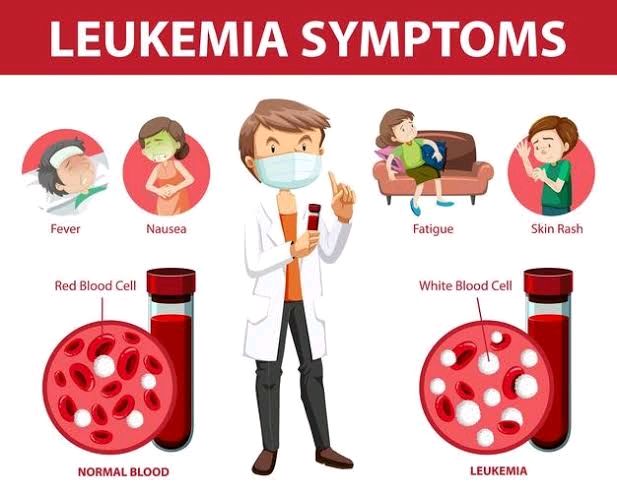
Leukemia Symptoms: •Fever •Chills •Nausea •Vomiting •Fatigue •Headache •Bone Pains •Joint Pains •Weight Loss •Night Sweats •Blurred Vision •Loss of Appetite •Shortness of Breath •Swelling Of Abdomen •Swelling Of Testicles •Discoloration of the Skin •Internal Bleeding in Abdomen •Frequent Episodes of Infections •Small Red purple spots on the Skin •Delayed healing of Wounds •Easy bleeding or bruising •Weakness or loss of muscle control •The White Blood Cells are not mature enough or fully developed to fight infections
Description: Blood Cancer is a disease of the Blood.
The human body has three types of Blood cells. •White Blood Cells •Red Blood Cells •Platelets
These cells are produced in the bone marrow present in the Bones. All the three types of cells have different functions in the human body.
Red blood cells : They give red color to the blood and have hemoglobin protein. They supply oxygen to the body parts.
Platelets : When we have a cut, the platelets come together and form a barrier to stop bleeding.
White Blood Cells : These are considered as a part of the immune system. They fight for infections when they find some foreign substance in the body.
If there is any problem with these cells, then it is a diseased state.
The word Leukemia means that there is something wrong with the white blood cells ( Lymphocytes ). When examined under the microscope, the amount of White blood cells seems to be normal in the blood, but not in structure. They are immature and are of no use. The condition is considered as Leukemia. It is also known as Blood Cancer.
It affects the Blood, Bone Marrow or lymph nodes.
The soft tissue where Blood Cells are formed is Bone Marrow.
The number of these immature cells are known as Blasts. They multiplies at a very fast rate, but are not fully developed. This results in the restriction of production of healthy blood cells.
These immature cells enter in the blood, then the other Organs of the body.
They are not able to generate the normal functions of the Blood Cells. They lose their ability to fight against the infections. They are unable to repair the injured tissues.
The normal level of White Blood Cells is 5000 to 10000 per microliter (mcL). If the count is above the normal level then it indicates Leukemia. If the Count is less, then it is known as Leukopenia.
Blood Cancer is classified as Acute Myelocytic Leukemia : In this type of Leukemia the cells grow rapidly but are not mature.
Acute Lymphocytic Leukemia : In this type of Leukemia the growth is not as rapid but cells tend to accumulate. Soon they travel through the bloodstream and reach the other body organs. This is more common in Children. The Genetic or Environmental factors may be a cause for this type of Leukemia.
Chronic Leukemia: It will not show any symptoms, but may cause fatal changes later.
Myeloid Leukemia : It affects that part of the Bone marrow which is responsible for the production of Blood Cells.
Diagnosis for Acute Lymphocytic Leukemia : The confirmation of Acute Lymphocytic Leukemia is done by the following tests.
Blood Test : The blood test has to be done to find the abnormal condition in the blood. If there is a high number of white blood cells found, then it means the person has Acute Lymphocytic Leukemia.
Another way to diagnose is Biopsy of Bone Marrow. In this a sample is taken out from the bone marrow and examined under the microscope.
Chronic Leukemia : The growth of the cells is slow but is abnormal. They tend to accumulate in the various organs. The Ability of these cells to fight the infections is impaired. They are not able to repair the injured tissues.
Causes of Cancer Blood: •Stress •Smoking •Alcohol •Poor Diet •Down Syndrome •Family History •Acidic Metabolism •Genetic Abnormality •Certain types of infections •Exposure to certain chemicals •Chemotherapy, Radiation Therapy
If not treated properly Cancer Blood may cause: Death
Prevention Alkalize or Suffer
Materia Medica : Herbal Treatment for Leukemia
Single Herb
Cow Urine for Cancer Blood Have two tablespoons of Cow Urine two times a day.
Soursop for Cancer Soursop is a very effective remedy for cancer. Cancer may be anywhere in the body, the remedy is Soursop. It helps treat cancer more effectively than Chemotherapy. It kills only the cancer cells, not the healthy cells. Hence, no hair fall or any other deterioration in health. It may be used as the main remedy or it may be used in conjunction with Chemotherapy. It has very strong Anticancer and Anti Tumor properties. It kills cancer cells naturally without any side effects as associated with Chemotherapy. Soursop Fruit can be eaten to prevent or treat cancer. Fresh soursop juice can also be used for this purpose. Soursop tea is also a way to fight against cancer. Chop some fresh stems and leaves of Soursop. Boil them in 1 liter of water until the water is reduced to half. Strain. Drink 100 ml twice a day. You may add Honey.
Green Tea for Blood Cancer Have 2 cups of Green Tea daily.
Wheatgrass for Blood Cancer Extract the juice of Wheatgrass. Take 2 tablespoons twice a day.
Cynodon Dactylon for Blood Cancer Cynodon Dactylon has good Anti Cancer properties. Take 2 tablespoons of Cynodon Dactylon juice thrice a day.
Simarouba for Blood Cancer Crush dried 8 Simarouba Glauca leaves, 10 cm long sticks, Bark ( 2 pieces for 10kg body weight and accordingly increase the bark pieces ). Put them in 200 ml of water. Boil the mixture at low flame for 10 minutes. Let it stay overnight. The next morning, warm the decoction and filter it. Drink 150 ml of it sip by sip on an empty stomach in the morning, one cup in the evening and one cup in the night.
Parenthood is a precious gift, eagerly anticipated by many couples. However, for some, it can be an unexpectedly challenging journey. While infertility can have various causes, this article will shed light on the specific issue faced by many men: their struggle to impregnate their wives. In this piece, we will explore possible reasons for male infertility while highlighting the potential benefits of herbal treatments and remedies, focusing on the Nigerian perspective.
Understanding Male Infertility: Male infertility is often attributed to the quality, quantity, or movement of sperm. Various factors can contribute to reproductive difficulties, including:
1. Low Sperm Count: This occurs when the sperm concentration in semen falls below the average level required for successful fertilization. Factors such as hormonal imbalances, genetic conditions, lifestyle choices, or certain medications can contribute to this issue.
2. Poor Sperm Motility: For fertilization to occur, sperm must possess strong motility to navigate the female reproductive system effectively. Reduced motility can result from genetic factors, past infections, hormonal imbalances, or obesity.
3. Abnormal Sperm Morphology: Sperm with abnormal size, shape, or structure may struggle to reach or fertilize an egg. Genetic disorders, hormone imbalances, or environmental factors can contribute to this problem.
The Potential of Herbal Medicine and Natural Herbs: For centuries, medicinal herbs have been used in various traditional practices to enhance fertility and overall reproductive health. While modern medicine plays a crucial role, herbal remedies can be considered complementary options due to their potential benefits, particularly in improving male fertility.
1. Herbal Supplements and Products: Natural herbs like Ashwagandha, Maca Root, Tribulus Terrestris, and Ginseng have shown promising results in improving sperm count, motility, and morphology. These herbal supplements, available in various forms, can be used in conjunction with a healthy lifestyle and under proper guidance.
2. Traditional Herbal Treatments: Nigeria, with its rich heritage of herbal medicine, offers interesting possibilities. Traditional herbal treatments like Yorubic Medicine and Igbo Medicine encompass a range of plant-based remedies that could potentially address male infertility issues. As such, consulting a herbal medicine practitioner could provide a holistic approach to support reproductive health.
Embracing the Journey: It is essential to approach the subject of male infertility with care, empathy, and positivity. Communicating openly as a couple, seeking professional help, and exploring the potential benefits of herbal supplements and natural herbs can aid in overcoming this challenge.
Conclusion: Male infertility can be a complex issue, but it’s crucial to remember that modern solutions, along with herbal medicine, provide hope and possibilities for couples struggling to conceive. By exploring the potential benefits of herbal treatments and embracing a holistic approach, individuals can nurture their reproductive health and increase their chances of experiencing the joy of parenthood.
If you find this article post useful for you, Please comment, subscribe, like, share with your family and friends on social media, and don’t hesitate to ask for any topic you are looking for free.







 Tashbaan Herbal Healthcare