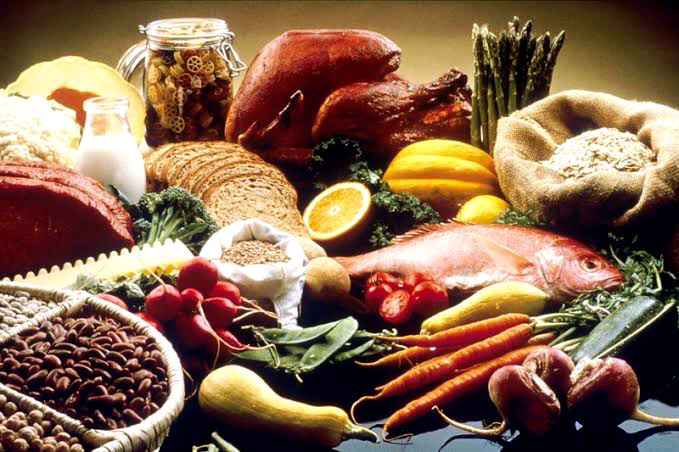
Maintaining a balanced diet is crucial for overall health, but it is equally important to recognize that certain foods when consumed excessively, can increase the risk of stroke. A stroke occurs when the blood supply to the brain is disrupted, resulting in damage to brain cells. By being aware of the potential dangers associated with excessive consumption of certain foods, we can make informed choices for a healthier lifestyle.
1. Processed Foods:
Processed foods, such as fried snacks, sugary cereals, processed meats, and fast food meals, are typically rich in unhealthy fats, sodium, and additives. These foods can raise blood pressure levels and lead to obesity, diabetes, and high cholesterol – all risk factors for stroke. Limiting the consumption of processed foods and opting for healthier alternatives can significantly reduce stroke risk.
2. Sodium-Rich Foods:
High levels of sodium in the diet can increase blood pressure, a leading cause of strokes. Canned soups, frozen meals, processed meats, fast food, and salty snacks are common sources of excessive sodium. It is advised to understand nutritional labels, lessen the use of table salt when cooking, and opt for fresh foods to regulate sodium intake adequately.
3. Saturated and Trans Fats:
Consuming excessive quantities of saturated and trans fats can lead to an increased risk of stroke and heart disease. Saturated fats are primarily found in red meat, full-fat dairy products, butter, and coconut oil, while trans fats are often present in packaged snacks, fast foods, and baked goods. Choosing healthier fats, such as those found in nuts, avocados, and olive oil, reduces the risk of stroke.
4. Soft Drinks and Sugary Beverages:
High sugar intake, as found in soft drinks and sugary beverages, has been linked to an increased risk of stroke. These beverages are often low in nutritional value and high in calories, which can contribute to weight gain and other risk factors for stroke. Opting for water, herbal teas, or freshly squeezed juices without added sugars is a healthier choice.
5. Excessive Alcohol Consumption:
While moderate alcohol consumption may have a protective effect on the cardiovascular system, excessive alcohol intake increases the risk of stroke and other health problems. Heavy drinking can raise blood pressure and lead to obesity, both of which are risk factors for stroke. Limiting alcohol intake to moderate levels according to health guidelines is recommended.
Conclusion:
Maintaining a healthy, balanced diet is crucial in reducing the risk of stroke. By avoiding excessive consumption of processed foods, sodium, unhealthy fats, sugary beverages, and alcohol, individuals can significantly lower the risk of stroke and promote overall well-being. Prioritizing fresh fruits, vegetables, whole grains, lean proteins, and healthy fats is essential for maintaining a healthy cardiovascular system and reducing the chances of stroke occurrence.
 Tashbaan Herbal Healthcare